UK beauty consumer trends are changing the way people discover, compare and purchase skincare, haircare, cosmetics and personal care products. In 2026, beauty shoppers are navigating a market where convenience, product knowledge, digital discovery, value and personal preferences all influence purchasing decisions.
Understanding these changes is useful for consumers, retailers, beauty professionals and brands alike. The modern beauty customer is rarely influenced by one factor alone. Price may matter, but so can ingredients, reviews, convenience, brand identity, product performance and the overall shopping experience.
Why UK Beauty Consumer Trends Matter
Beauty consumer trends provide a window into changing preferences. They show how shoppers respond to new products, retail experiences, technologies and cultural influences. For brands, this information can help shape product development and marketing. For consumers, it can make it easier to understand why certain products and services become popular.
The UK beauty market is also diverse. A shopper looking for everyday skincare may have very different priorities from someone purchasing premium cosmetics or booking a professional treatment. Consequently, there is no single definition of the modern beauty consumer.
Instead, today’s market consists of overlapping groups with different budgets, routines and expectations. Some shoppers prioritise affordability, while others are willing to spend more on products they believe deliver meaningful benefits.
UK Beauty Consumer Trends: From Product Discovery to Purchase
One of the clearest changes in beauty shopping is the number of ways consumers can discover products. Search engines, social platforms, online retailers, beauty publications, creators, recommendations and physical stores can all influence a purchase.
This means the path from discovery to purchase is no longer necessarily straightforward. A consumer might first see a product online, research its ingredients, compare prices across retailers, read customer reviews and then decide whether to purchase online or visit a physical shop.
Brands therefore need to provide useful information at several stages of the customer journey. Clear product descriptions, realistic imagery, transparent ingredients information and straightforward purchasing processes can all contribute to a better experience.
Beauty Shopping Trends UK Consumers Are Watching
Beauty shopping trends UK consumers follow can differ according to product category, age, budget and lifestyle. Nevertheless, several broad behaviours continue to shape the market.
Research Before Buying
Many shoppers now have access to more information than ever. Before purchasing a new cleanser, serum, foundation or hair product, consumers can compare ingredients, read reviews and investigate how a product is intended to be used.
This creates a higher expectation for transparency. Vague marketing language may be less convincing when shoppers can independently research a product within minutes.
Convenience Remains Important
Convenience is another major consideration. Consumers may prefer retailers that offer easy navigation, clear delivery information, straightforward returns and flexible purchasing options.
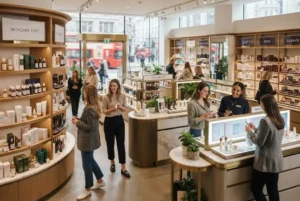
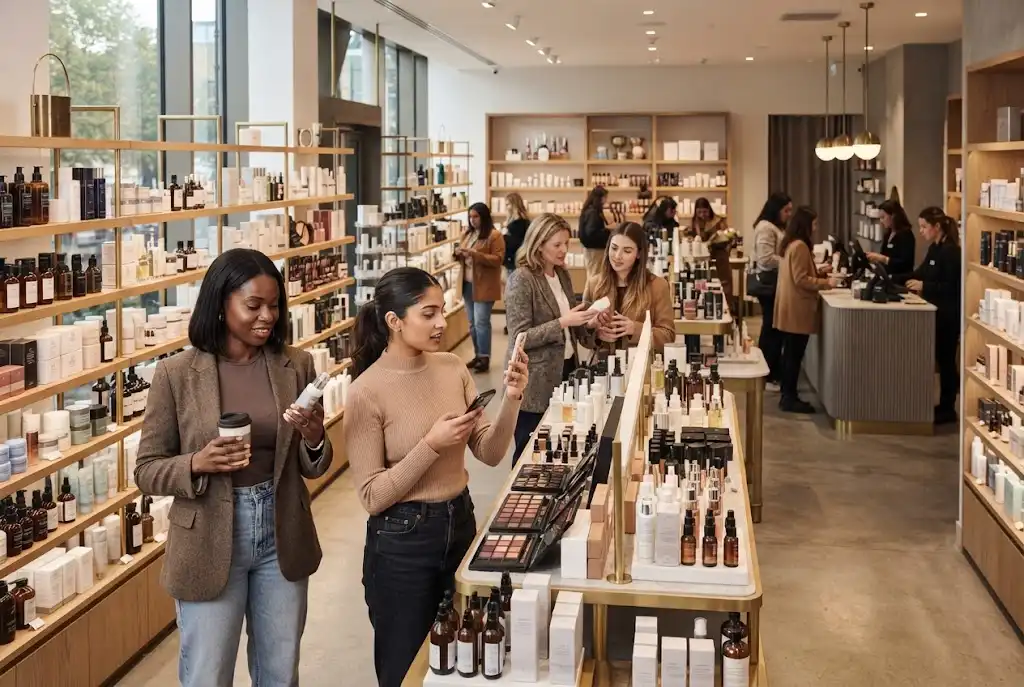
However, convenience does not necessarily mean online-only shopping. Physical stores still offer an important advantage: customers can see products in person and, in some cases, receive assistance before making a decision.
Value Is More Than the Lowest Price
Beauty purchasing trends also show why price needs to be considered alongside perceived value. A lower-priced product may appeal to a budget-conscious shopper, while another consumer may prefer to pay more for a product they believe lasts longer or better suits their needs.
Value can therefore include performance, quantity, formulation, packaging, longevity and the overall customer experience.
Beauty Consumer Behaviour Is Becoming More Individual
Beauty consumer behaviour is increasingly shaped by personal needs rather than a single universal routine. Consumers can choose from a vast range of products designed for different skin types, hair textures, lifestyles and preferences.
This creates opportunities for brands that communicate clearly with specific audiences. Instead of trying to appeal to everyone, a business can focus on solving a particular problem or serving a clearly defined customer group.
Personalisation can also influence how shoppers perceive a product. Recommendations based on skin concerns, preferences or previous purchases may make the shopping experience feel more relevant, although consumers still need enough information to make informed choices themselves.
The Growing Importance of Ingredients and Product Information
Product information plays an important role in modern beauty purchasing decisions. Consumers may want to know what a product contains, how it should be used and whether it fits their existing routine.
Ingredient awareness does not mean every shopper will become a formulation expert. Rather, it reflects a broader desire to understand what is being purchased.
Clear labelling and responsible product communication can therefore help establish trust. Brands should avoid making claims that are difficult to substantiate and should provide practical information that allows shoppers to make informed decisions.
Beauty Spending Trends Across Different Consumer Groups
Beauty spending trends cannot be understood simply by looking at whether consumers are spending more or less. Spending decisions often depend on the category involved and the perceived importance of a product.
A shopper might economise on one part of their routine while continuing to invest in another. For example, someone may look for affordable everyday products but spend more on a specialist treatment or a product they consider particularly important.
This behaviour creates a more complicated market than a simple premium-versus-budget divide. Consumers can move between price points depending on the occasion, product category and perceived value.
How Social Media Influences Beauty Preferences
Social media has become an important part of modern beauty discovery. Short-form videos, tutorials, reviews and creator recommendations can introduce consumers to products and techniques they may not encounter through traditional advertising.
At the same time, constant exposure to new trends can encourage rapid changes in consumer interest. A product can attract significant attention online and then be replaced by another trend soon afterwards.
For consumers, this makes independent research particularly useful. Popularity can be a reason to investigate a product, but it is not necessarily proof that the product will suit an individual.
Beauty Consumer Trends and the Rise of Omnichannel Shopping
Modern shoppers do not always separate online and offline beauty retail. Instead, they may use both channels during the same purchase journey.
A customer could research a product online, visit a store to examine it, compare prices on a smartphone and then purchase from whichever retailer provides the most suitable combination of price and convenience.
This behaviour means retailers need to consider the complete customer experience. Consistent product information, accurate stock information and easy navigation can help connect digital and physical shopping.
Technology and the Future Beauty Consumer
Technology is also influencing expectations around beauty shopping. Digital product discovery, personalised recommendations, virtual experiences and increasingly sophisticated online retail tools can change how consumers evaluate products.
However, technology works best when it solves a genuine customer problem. A complicated feature that does not make shopping easier may add friction rather than value.
The future beauty consumers will likely continue to expect convenient digital experiences while retaining interest in physical interaction where it provides something online shopping cannot easily reproduce.
What UK Beauty Brands Can Learn From Changing Preferences
Brands responding to UK beauty consumer trends should focus on clarity, relevance and consistency. Consumers have many choices, so confusing product information or an unnecessarily difficult purchasing journey can make it easier for shoppers to choose an alternative.
Several principles can help brands respond effectively:
- Explain products clearly and avoid unnecessary jargon.
- Provide useful information about ingredients and intended use.
- Make pricing and purchasing information easy to understand.
- Use customer feedback to identify genuine areas for improvement.
- Keep marketing claims responsible and supportable.
- Design digital experiences around customer needs rather than technology alone.
- Recognise that different consumers have different definitions of value.
These principles are relevant across skincare, makeup, haircare, fragrance and wider personal care categories.
How Beauty Trends 2026 May Influence Shopping Decisions
Beauty trends 2026 are likely to be shaped not only by individual products but also by broader changes in how consumers think about beauty. Personalisation, practical routines, informed purchasing and the relationship between beauty and wellbeing can all influence demand.
Consumers may also become more selective about which trends deserve their attention. With an enormous volume of beauty content available every day, shoppers have an increasing need to distinguish useful information from short-lived hype.
This creates an opportunity for trustworthy beauty publishers and brands to provide educational content rather than simply promoting the newest product.
What the Future Beauty Consumer May Expect
The future beauty consumer is unlikely to fit into one simple profile. Instead, shoppers will continue to combine different priorities depending on their circumstances.
Some will seek affordability. Others will prioritise premium experiences. Many will want convenient online shopping, while still appreciating expert advice and physical retail. Ingredient information, product performance and brand trust can all remain important when consumers have many alternatives available.
For businesses, the key lesson is flexibility. Consumer preferences can change quickly, so brands need to pay attention to behaviour rather than assuming that today’s successful strategy will automatically remain effective.
Connecting Consumer Behaviour With the Wider UK Beauty Industry
Consumer preferences do not exist in isolation. Changes in shopping behaviour influence retailers, manufacturers, independent beauty businesses and established brands. In turn, developments within the industry can introduce new products, services and experiences that influence shoppers.
This makes consumer research an important part of understanding the wider market. Readers following the UK’s evolving beauty sector can also explore our coverage of UK beauty industry news for developments involving beauty brands, retail, technology and product launches.
Personal routines remain another important part of the picture. The products consumers purchase ultimately become part of everyday habits, which is why our guide to beauty self care explores how skincare, grooming and wellbeing can fit into practical personal routines.
Final Thoughts on UK Beauty Consumer Trends
UK beauty consumer trends reveal a market driven by choice, information, convenience and increasingly individual preferences. Consumers are not simply looking for products; they are evaluating value, researching options and choosing experiences that fit their lifestyles.
For beauty businesses, this means understanding customers beyond basic demographics. The strongest approach is to recognise what people actually need, provide clear information and make the purchasing journey straightforward.
For consumers, greater choice can be positive when it is approached thoughtfully. Instead of following every new trend, shoppers can focus on products and services that genuinely suit their needs, budgets and routines.
As the UK beauty market continues to evolve, keeping an eye on consumer behaviour will remain essential. The brands and retailers that listen carefully, communicate responsibly and adapt to changing expectations will be better positioned to remain relevant in an increasingly competitive beauty landscape.