Auto repair services are entering a new era as vehicles become increasingly connected, software-driven and dependent on advanced electronic systems. What was once a workshop process centred mainly on mechanical inspection is evolving into a combination of diagnostics, data analysis, software tools and skilled technical work. For drivers and garage operators across the UK, this digital shift is changing how faults are identified, repairs are planned and vehicle maintenance is managed.
The transformation is not about replacing mechanics with technology. Instead, modern tools can give technicians better information before and during a repair, while helping drivers understand what their vehicles may need. From AI diagnostics to repair automation and connected garages, digital technology is becoming an increasingly important part of the modern automotive service experience.
Why Auto Repair Services Are Becoming More Digital
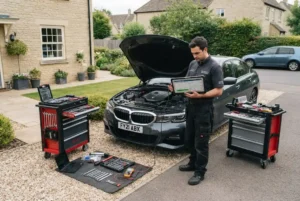
Modern vehicles contain numerous electronic control units, sensors, software systems and connected components. As a result, diagnosing a problem can involve more than inspecting a visible mechanical component. A warning light, for example, may require diagnostic equipment and software to identify the underlying system or fault code.
The UK’s automotive landscape is also becoming more connected. Government research has highlighted how connected vehicle data can provide information about vehicle condition and support diagnostic services. More recent UK policy work has also focused on standardised access to vehicle on-board diagnostic information and repair and maintenance information.
This means the relationship between a vehicle and the workshop is becoming more data-driven. Instead of waiting for a noticeable problem to develop, digital systems can increasingly help identify patterns that deserve attention.
How AI Diagnostics Are Changing Workshop Processes
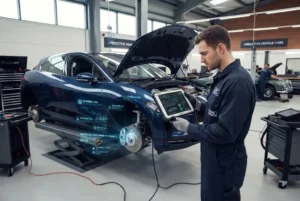
AI diagnostics are one of the most discussed areas of repair innovation. Artificial intelligence and machine-learning systems can process large amounts of technical information and help identify patterns within vehicle data. In automotive applications, these technologies are being explored for areas including in-service system health monitoring and diagnostics.
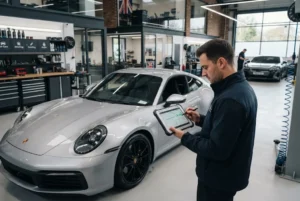
For a workshop, this can support technicians rather than replace their expertise. Diagnostic software may highlight unusual readings, correlate multiple symptoms or help organise information that would otherwise take longer to analyse manually.
However, AI should be treated as a diagnostic aid rather than an unquestionable authority. A technician still needs to inspect the vehicle, interpret the available information and determine whether a recommended repair is appropriate. Mechanical condition, previous repairs, driving conditions and manufacturer procedures all remain important.
Repair Automation and Smarter Workshop Operations
Repair automation extends beyond vehicle diagnostics. Workshops can use digital systems to automate administrative and operational tasks, including appointment management, customer notifications, job tracking, digital inspection reports and service reminders.
This can make the repair process more organised. A customer may receive a digital explanation of an inspection, while workshop staff can track the status of a vehicle without relying entirely on paper records or manual updates.
Automation can also help reduce avoidable delays. When information is available earlier, a workshop may be able to prepare equipment, parts or technician time more effectively. The result is not necessarily a fully automated garage. Instead, it is a workshop where technology handles repetitive information flows while skilled people focus on diagnosis, repair and customer service.
From Traditional Workshops to Smart Workshops
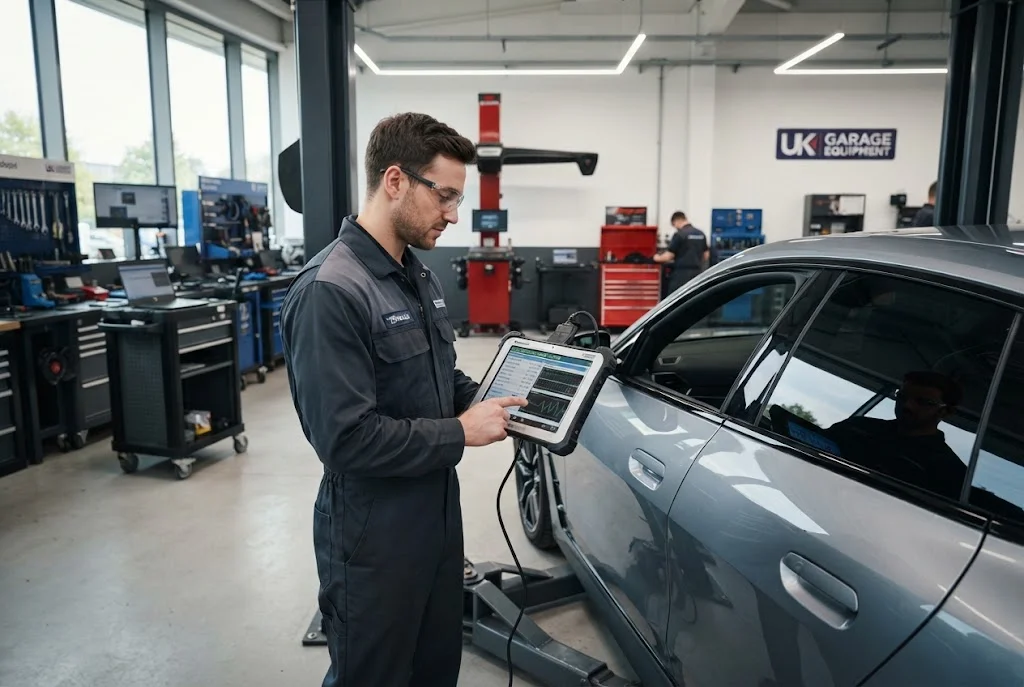
Smart workshops combine physical repair expertise with digital tools. Diagnostic scanners, connected software platforms, digital vehicle inspections and cloud-based workshop management systems can work together to create a more integrated repair process.
This approach is particularly relevant as vehicles become increasingly software-dependent. The UK’s Vehicle Certification Agency explains that vehicle software updates and cybersecurity are now significant parts of the regulatory environment for applicable vehicles. Software is therefore becoming part of vehicle servicing rather than something completely separate from traditional maintenance.
For independent garages, this creates both opportunities and challenges. Technicians may need regular training to work confidently with modern diagnostic platforms, electronic systems and software-related service procedures. Workshops may also need to invest in suitable equipment and secure digital infrastructure.
Connected Garages and the Customer Experience
Connected garages can create a more continuous relationship between customers, vehicles and workshops. Instead of the interaction beginning only when a customer calls to report a fault, digital systems can support reminders, service scheduling, inspection updates and maintenance records throughout vehicle ownership.
This connects naturally with the wider auto service garage model, where online booking, digital communication and workshop technology work together to make servicing more convenient.
For customers, transparency is especially important. A digital inspection can show photographs, notes or explanations of recommended work. When drivers can see what has been identified and why a repair has been suggested, the service process can become easier to understand.
Predictive Maintenance Moves Repairs Further Upstream
One of the most significant developments in automotive technology is the move from reactive repairs towards predictive maintenance. Traditional repair behaviour often begins with a symptom: a warning light appears, a noise develops or a component stops working correctly.
Predictive systems take a different approach. They use available vehicle information to look for patterns that could indicate a developing issue. In some connected vehicle applications, manufacturers have already used remote vehicle data and predictive diagnostics to identify potential problems before a conventional service visit.
This approach is closely related to the future of vehicle maintenance. Instead of viewing servicing as a series of isolated appointments, digital maintenance can become an ongoing process supported by vehicle monitoring and data analysis.
Predictive maintenance does not mean that every future failure can be predicted accurately. Vehicle conditions vary, sensors can have limitations and not every component provides enough data for reliable forecasting. Nevertheless, the technology can provide another layer of information for drivers, fleet operators and technicians.
Digital Servicing and the Changing Role of Mechanics
Digital servicing is changing the tools technicians use, but it does not eliminate the need for skilled mechanics. In fact, increasingly sophisticated vehicles can require a broader combination of mechanical, electrical and software knowledge.
A technician may need to interpret diagnostic data, verify a physical component, follow manufacturer procedures and complete software-related processes during the same service visit. The ability to combine digital information with practical mechanical knowledge is therefore becoming increasingly valuable.
This is one reason repair innovation should be viewed as an evolution of workshop expertise rather than simply an automation project. The best digital systems support decision-making while leaving responsibility for inspection, repair quality and safety with appropriately trained professionals.
What Digital Transformation Means for UK Drivers
For motorists, the biggest change may be the way vehicle maintenance is communicated and managed. Online booking, digital inspection reports, electronic service records and maintenance reminders can make it easier to keep track of a vehicle.
Drivers may also encounter more software-related service requirements as vehicles become increasingly connected. A modern maintenance plan can therefore involve more than oil, filters, tyres and brakes. Depending on the vehicle, technicians may also need to consider electronic systems, diagnostic data, software updates and battery-management technologies.
Drivers should still follow their vehicle manufacturer’s maintenance recommendations and use qualified professionals for work that requires specialist equipment or technical knowledge. Digital tools can support maintenance decisions, but they do not remove the need for appropriate physical inspections.
The Role of Automotive Software in Future Repairs
Automotive software is becoming an important part of the wider repair ecosystem. Diagnostic platforms, workshop management systems, digital inspection tools and vehicle-connected applications all depend on software to collect, organise or interpret information.
This creates a new dimension of repair innovation. A workshop’s competitive capability may increasingly depend not only on its equipment and technicians but also on how effectively it uses digital information.
Security is another consideration. Connected vehicles and workshop systems handle valuable technical and sometimes personal information. The UK’s Vehicle Certification Agency highlights cybersecurity and software-update requirements within the connected and automated vehicle environment, reinforcing the importance of treating software as part of the vehicle lifecycle rather than an optional extra.
Where Auto Repair Services Are Heading Next
The future of auto repair services is likely to combine several technologies rather than rely on one breakthrough. AI diagnostics can assist with complex information, connected vehicles can provide additional data, predictive maintenance can identify potential issues earlier, and workshop automation can streamline administrative processes.
The next stage of this cluster naturally extends into the reinvention of auto care services, where digital ownership, connected maintenance and new customer expectations come together.
Mobile servicing is another important development. As consumers become accustomed to booking services digitally, the concept of requesting a technician at a convenient location becomes increasingly relevant. This connects with the emerging mobile auto service model and its focus on on-demand maintenance.
At the same time, the smart garage revolution is likely to continue bringing booking systems, connected diagnostics and digital customer communication closer together. The common theme is convenience supported by better information.
Conclusion
The digital transformation of auto repair services is changing both workshop operations and the vehicle ownership experience. AI diagnostics, repair automation, connected garages, predictive maintenance and automotive software are creating new ways to identify problems, organise repairs and communicate with customers.
Yet technology is most valuable when it strengthens professional expertise rather than attempting to replace it. Skilled technicians remain central to accurate diagnosis, safe repairs and quality workmanship. As vehicles become more connected, successful workshops will increasingly combine practical automotive knowledge with digital capabilities.
For UK drivers, this transformation means vehicle servicing is becoming more connected, more data-driven and potentially more proactive. The garage of the future may look different from the traditional workshop, but its fundamental purpose remains the same: keeping vehicles safe, reliable and ready for the road.
UK government information on access to vehicle on-board diagnostics and repair information provides further context on the changing digital environment surrounding vehicle servicing and repair.