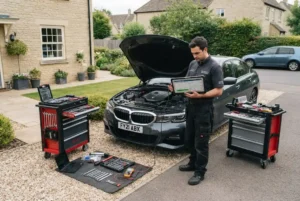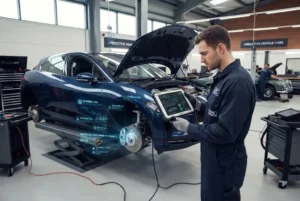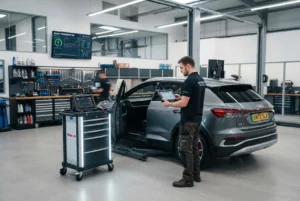
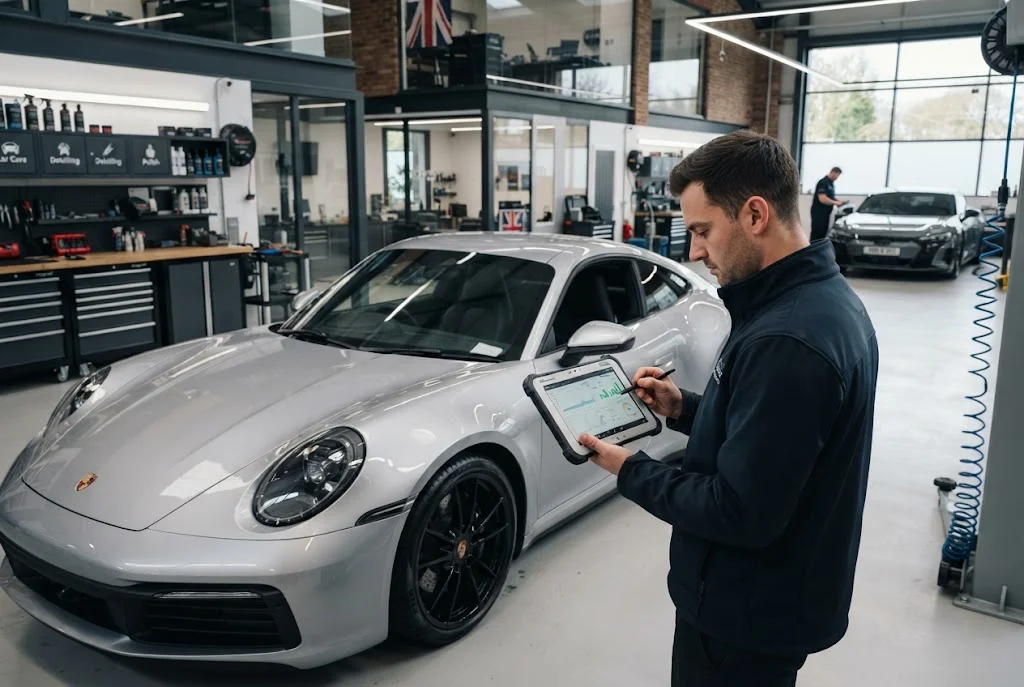
Auto care services are evolving as technology changes the way people own, maintain and interact with their vehicles. Traditional car care remains essential, but drivers now have access to digital booking, connected maintenance, smart diagnostics and increasingly personalised service experiences. Together, these developments are creating a broader approach to vehicle care that extends beyond occasional trips to a workshop.
The modern vehicle is also becoming more closely connected to digital systems. Sensors, software, mobile applications and connected platforms can provide information that was previously unavailable to drivers or workshops. As a result, auto care services are increasingly being shaped by the combination of practical automotive expertise and lifestyle technology.
What Is Changing in Auto Care Services?
Traditional vehicle care typically revolves around scheduled servicing, repairs, cleaning, inspections and replacement of worn components. Those fundamentals are not disappearing. Instead, technology is changing how these services are organised and experienced.
Customers can increasingly book services online, receive digital reminders, review inspection information electronically and communicate with service providers without relying entirely on phone calls or paper records.
At the same time, connected vehicles can generate information about their operating condition. This information can potentially support diagnostics, maintenance planning and service preparation when accessed through appropriate systems.
The result is a more continuous model of vehicle care. Instead of thinking about maintenance only when a service date arrives, drivers can increasingly manage different aspects of ownership through connected digital tools.
Smart Car Care Goes Beyond Traditional Servicing
Smart car care combines conventional automotive services with digital tools designed to make vehicle ownership more convenient and informed.
A smart approach might include digital service reminders, online appointment scheduling, electronic inspection reports and connected diagnostic information. Some workshops may also use software to maintain service histories and communicate recommended work to customers.
These systems can reduce administrative friction while giving drivers greater visibility into what is happening with their vehicles. The aim is not to make every aspect of car ownership digital. Instead, technology is applied where it can solve a genuine problem or improve the customer experience.
This development builds naturally on the future of vehicle maintenance, where connected data and predictive approaches can support more proactive servicing.
Digital Ownership Is Changing the Driver Experience
Vehicle ownership increasingly involves digital interactions. Drivers may use smartphone applications to check vehicle information, schedule services, locate charging points, access roadside assistance or manage other vehicle-related functions.
This creates a new concept of digital ownership in which the vehicle is not an isolated physical product. Instead, it can form part of a wider digital ecosystem involving manufacturers, service providers, applications and connected platforms.
For auto care providers, this means customer expectations are changing as well. People who are accustomed to instant digital communication in other areas of their lives may expect similarly convenient interactions when arranging vehicle services.
That does not necessarily mean every customer wants a technology-heavy experience. Some drivers still prefer direct communication with a knowledgeable technician. The most effective digital systems therefore make traditional service easier rather than forcing customers through unnecessary technology.
Connected Maintenance Creates a More Continuous Approach
Connected maintenance is one of the most important developments in modern automotive care. The Connected vehicles can potentially provide relevant information about system conditions, faults or other operating characteristics.
When appropriate data is available to authorised systems, it may help service providers understand a vehicle before it arrives at the workshop. This can support preparation and give technicians additional context when investigating a reported issue.
Connected maintenance can also support reminders and service planning. Instead of relying entirely on a driver remembering previous work, digital records can provide a clearer picture of the vehicle’s maintenance history.
However, connected data should not be treated as a complete replacement for physical inspection. Not every mechanical condition can be detected electronically, and professional assessment remains important for safe and reliable vehicle care.
How Technology Is Supporting Premium Vehicle Care
Premium vehicle care is also becoming more technology-driven. Customers who invest heavily in their vehicles may expect detailed service records, careful inspections and a higher level of communication throughout the maintenance process.
Digital inspection platforms can help workshops document vehicle condition using photographs, notes and structured reports. This can make recommendations easier to understand and create a more transparent service experience.
Technology can also support more consistent workshop processes. A digital workflow can help ensure that inspection steps, customer approvals and service documentation are properly recorded.
Premium care, however, is not simply about adding more technology. It still depends on workmanship, attention to detail, appropriate products and knowledgeable technicians. Digital systems are most useful when they reinforce those fundamentals.
Eco-Friendly Detailing and Modern Car Care
Environmental considerations are also influencing the way some auto care services are delivered. Vehicle detailing can involve water, cleaning products, energy and disposable materials, encouraging businesses and consumers to consider more resource-conscious approaches.
Eco-friendly detailing may involve water-efficient techniques, responsible product selection and better management of consumable materials. The appropriate approach depends on the service, vehicle condition and local operating requirements.
Sustainability is becoming increasingly relevant across automotive ownership because drivers are considering not only how vehicles perform but also how they are maintained throughout their lifecycle.
Eco-conscious care does not necessarily mean sacrificing quality. In many cases, more efficient processes can reduce resource use while maintaining a high standard of vehicle presentation.
Maintenance Innovation Is Connecting Different Services
Maintenance innovation is gradually bringing different parts of vehicle care closer together. Diagnostics, servicing, detailing, customer communication and digital records can now be supported by interconnected platforms.
This creates opportunities for service providers to build a more complete customer journey. A driver might book an inspection online, receive a digital report, approve recommended work and later receive a maintenance reminder through the same service ecosystem.
The concept connects directly with the smart garage revolution, where workshop technology is increasingly being used to coordinate customer service and technical operations.
It also connects with the wider transformation of auto repair services, particularly as AI diagnostics, automotive software and connected workshop systems become more common.
Changing Consumer Trends in Vehicle Care
Consumer expectations are influencing the development of auto care services. Convenience, transparency and easy communication have become important considerations when people choose service providers.
Online booking is one example. Drivers can often schedule appointments outside conventional telephone hours, while automated confirmations can reduce uncertainty about when a vehicle is expected at the workshop.
Another trend is greater interest in understanding vehicle condition. Customers may want to know not only what needs replacing but why a recommendation has been made and whether it is urgent.
Digital inspection reports can help address this expectation by providing clearer explanations and supporting evidence. This can make technical information easier for non-specialists to understand.
Artificial Intelligence and the Future of Auto Care
Artificial intelligence is likely to influence vehicle care as automotive datasets become larger and more connected. AI systems can analyse patterns and assist with tasks that involve processing large amounts of information.
In maintenance environments, potential applications include anomaly detection, diagnostic assistance and maintenance planning. These tools may help technicians identify information that deserves closer investigation.
However, AI should remain an aid to professional expertise. Automotive maintenance involves safety-critical decisions, and digital recommendations need to be validated through appropriate diagnostic procedures and physical inspection.
The future of auto care is therefore likely to involve collaboration between people and technology. Technicians provide practical knowledge and judgement, while software can help organise and interpret information.
How Mobile Services Fit Into the New Auto Care Model
The growth of digital ownership also supports the expansion of mobile automotive services. Consumers increasingly expect services to fit around their schedules, and some maintenance or repair tasks can be performed away from a traditional workshop.
Digital platforms can connect customers with technicians, manage appointments and provide service updates. This creates a natural relationship between modern auto care and the on-demand mobile mechanic model.
Mobile servicing cannot replace every workshop operation. Specialist equipment, complex repairs and certain inspections still require a properly equipped facility. Nevertheless, mobile services can provide another option for suitable tasks and customer circumstances.
The Importance of Professional Expertise
Despite the growing role of technology, high-quality auto care still depends on people. Digital systems can collect information, schedule appointments and assist with diagnostics, but experienced professionals are needed to interpret findings and perform physical work correctly.
This is particularly important because vehicle problems do not always follow predictable patterns. A digital warning may have multiple possible causes, while a physical inspection may reveal an issue that electronic data cannot fully explain.
Technology therefore works best when it supports technicians rather than attempting to eliminate professional judgement. The combination of digital information and practical expertise can create a more complete approach to vehicle care.
What Drivers Can Expect From Future Auto Care Services
Drivers are likely to encounter increasingly connected service experiences. Online booking, digital maintenance records, electronic inspection reports and vehicle monitoring may become more common across different types of service providers.
Customers may also expect faster communication and clearer explanations. A workshop that can provide timely updates and accessible service information can make the maintenance process easier to manage.
At the same time, routine servicing will remain important. Drivers should continue following manufacturer recommendations, paying attention to warning signs and using qualified professionals for work that requires specialist knowledge or equipment.
Auto Care as Part of a Digital Lifestyle
Modern vehicles are increasingly integrated into people’s broader digital lifestyles. Smartphones, connected applications and online services influence how drivers plan journeys, manage vehicle information and arrange maintenance.
This creates a wider opportunity for auto care providers. Rather than treating servicing as a single transaction, businesses can develop longer-term relationships with customers through useful digital communication and well-managed service histories.
The objective is not to make vehicle ownership unnecessarily complicated. Good technology should make important tasks simpler, provide useful information and give customers greater control over how they manage their vehicles.
The Future of Reinvented Auto Care
The future of auto care services is likely to combine traditional workmanship with connected technology, digital convenience and more personalised customer experiences. Smart diagnostics can support technical decisions, digital platforms can simplify bookings, and connected maintenance can help create a clearer picture of vehicle condition.
These developments are part of a wider transformation rather than isolated trends. The smart garage, predictive maintenance and mobile servicing models all contribute to a more connected automotive ecosystem.
As technology develops, service providers that combine useful digital tools with strong technical standards will be better positioned to meet changing customer expectations without losing the human expertise that quality vehicle care requires.
Conclusion
Auto care services are being reinvented through a combination of smart technology, connected maintenance, digital ownership and changing consumer expectations. The modern vehicle is becoming increasingly connected, while drivers are gaining more ways to manage servicing and maintenance digitally.
From smart car care and predictive maintenance to eco-friendly detailing and premium vehicle services, the definition of automotive care is expanding. Technology can make services more convenient and informative, but professional expertise remains at the heart of safe and effective vehicle maintenance.
The result is a new model of auto care that connects the vehicle, customer and service provider more closely throughout the ownership journey. As these technologies mature, vehicle care is likely to become increasingly proactive, transparent and integrated into everyday digital life.
For further context on the technical and digital changes affecting modern vehicle servicing, the UK Government’s work on access to vehicle on-board information provides relevant background.