Modern auto inspection services are becoming more connected, data-driven and convenient. Instead of relying only on a mechanic’s visual assessment, today’s inspection technology can combine diagnostic data, digital records and increasingly sophisticated software to give drivers a clearer picture of vehicle condition. As connected vehicles become more common, these developments are changing how faults are identified, maintenance is planned and vehicle health is communicated to owners.
The shift does not mean traditional mechanical expertise is disappearing. Rather, digital tools are giving technicians more information to work with. For drivers, that can mean faster identification of potential problems, clearer vehicle health reports and better decisions about when professional maintenance is actually needed.
Why Auto Inspection Services Are Becoming More Digital
Vehicle inspections have traditionally involved physical checks of components, systems and visible signs of wear. Those checks remain important, but modern vehicles generate considerably more information than older cars.
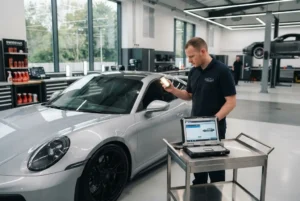
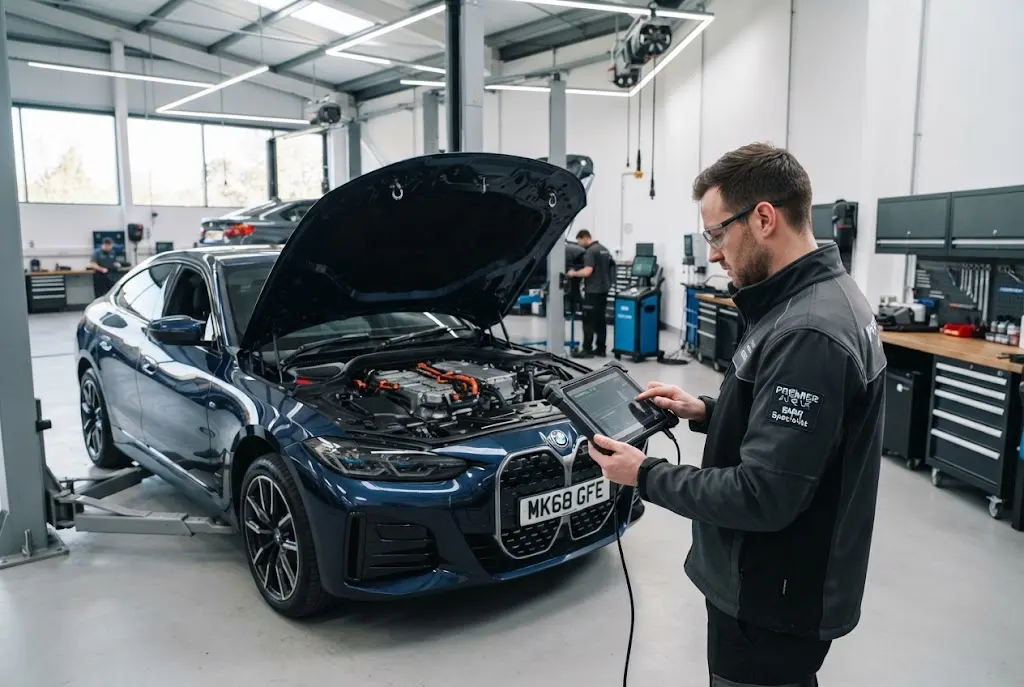
Electronic control units, onboard diagnostic systems and connected vehicle technology can provide useful information about how a vehicle is operating. When this information is combined with a professional inspection, technicians can develop a more complete understanding of the vehicle rather than relying on a single symptom.
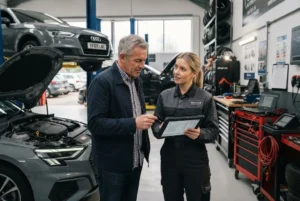
Digital inspections can also make the customer experience easier to understand. Instead of receiving a brief verbal explanation, drivers may receive photographs, diagnostic information, inspection notes and recommendations in a structured digital format.
How AI Diagnostics Can Support Vehicle Inspections
AI diagnostics are one of the more interesting developments in automotive inspection technology. Artificial intelligence can help analyse large amounts of vehicle data and identify patterns that might deserve further investigation.
For example, diagnostic information from different systems can potentially be compared to identify unusual behaviour. Software may help technicians prioritise information, identify recurring patterns or highlight areas that require closer physical inspection.
However, AI should be viewed as a support tool rather than a replacement for qualified automotive professionals. A software-generated alert does not automatically mean that a component has failed. Skilled technicians still need to interpret diagnostic information, inspect the vehicle and determine the appropriate repair or maintenance action.
Digital Inspections Make Vehicle Health Easier to Understand
One major advantage of digital inspections is the way information can be presented to vehicle owners. A traditional inspection may leave customers trying to remember a list of issues explained during a conversation. A digital process can create a record that is easier to review later.
A well-designed vehicle health report can separate urgent concerns from recommended maintenance and observations. Photos can also help demonstrate visible problems, making it easier for a customer to understand why a particular repair may be recommended.
This type of transparency can be particularly useful when several maintenance issues are identified at once. Instead of treating every recommendation as equally urgent, drivers can discuss priorities with their mechanic and make informed decisions based on the vehicle’s condition and their circumstances.
Predictive Maintenance Could Change the Timing of Repairs
Traditional maintenance is often based on scheduled intervals, mileage or a noticeable problem. Predictive maintenance takes a more data-focused approach by looking for indicators that a component may require attention before a serious failure occurs.
For connected vehicles, ongoing data can potentially provide additional insight into operating conditions. When combined with service history and professional inspection results, this information may help identify maintenance needs earlier.
The practical benefit is not simply avoiding an inconvenient breakdown. Planned maintenance can make it easier for vehicle owners to arrange servicing at a suitable time rather than reacting to an unexpected fault.
That shift towards proactive ownership also connects with the wider growth of mobile auto service, where convenience and digital booking are becoming increasingly important parts of the customer experience.
Connected Vehicles Are Creating More Inspection Data
Connected vehicles are another important part of this transformation. Modern cars can collect and communicate information relating to various vehicle systems, depending on the make, model and technology fitted.
More available data creates opportunities for better-informed servicing, but it also increases the importance of interpreting information correctly. Not every warning or data point represents an immediate mechanical problem, and vehicle owners should avoid making repair decisions based solely on an automated notification.
Professional inspection remains valuable because technicians can combine electronic information with physical observations. This combination helps distinguish between a software alert, an underlying mechanical issue and a problem that may require further diagnostic testing.
What Drivers Should Expect From Modern Inspection Technology
Drivers choosing auto inspection services should look for a process that combines technology with professional judgement. Useful features may include digital inspection records, diagnostic testing, photographs, clear explanations and prioritised recommendations.
A strong inspection should answer practical questions such as:
- What condition is the vehicle currently in?
- Which issues require immediate attention?
- Which maintenance items can be planned for later?
- What evidence supports the recommended repair?
- Has the issue been confirmed through appropriate testing?
These questions are important because technology is only valuable when it improves the quality and clarity of the inspection process.
How Automation Is Changing the Customer Experience
Automation can simplify several parts of vehicle servicing. Digital booking systems, automated reminders, inspection reports and electronic service records can reduce administrative work while giving customers quicker access to information.
For garages, automation can also make it easier to organise inspection data and communicate recommendations. For customers, the biggest advantage may simply be convenience: fewer phone calls, clearer updates and easier access to vehicle information.
This is part of a broader shift towards smarter auto care services, where digital ownership tools increasingly influence how people manage routine vehicle maintenance.
Are AI-Powered Inspections Replacing Mechanics?
Not necessarily. The more realistic future is a combination of technology and human expertise.
AI systems can process information quickly, but automotive diagnosis often requires context. A technician may need to inspect a component physically, listen for unusual noises, understand the vehicle’s history or carry out additional tests before reaching a conclusion.
Human expertise is therefore likely to remain central to quality vehicle inspections. Technology can help technicians work with more information, while experienced professionals provide the judgement needed to interpret that information correctly.
What the Future of Vehicle Inspections May Look Like
The direction of automotive inspection is increasingly connected, digital and proactive. As vehicles become more technologically sophisticated, inspection processes are likely to make greater use of diagnostic data, digital documentation and intelligent analysis.
This evolution also sits within the wider development of future mobility. Electric vehicles, connected systems, advanced driver technologies and changing ownership models are all influencing what drivers expect from automotive services.
At the same time, the economics of vehicle ownership remain important. Drivers still want to understand whether a recommended repair is necessary, how much it is likely to cost and when it should be completed. Understanding car service cost therefore remains an essential part of making informed maintenance decisions.
Why Smarter Inspections Matter for Drivers
The real value of modern inspection technology is not the technology itself. It is the ability to turn complicated vehicle information into useful decisions.
When diagnostic systems, digital inspections, vehicle health reports and professional expertise work together, drivers can gain a clearer understanding of their cars. Potential issues can be investigated, maintenance can be planned and repair recommendations can be communicated more transparently.
As automotive technology continues to develop, auto inspection services are likely to become an increasingly important part of modern vehicle ownership. The strongest approach will not simply be the one with the most advanced software. It will be the one that combines reliable technology, qualified technicians, clear communication and practical advice to help drivers keep their vehicles safe, reliable and properly maintained.
For consumers, that means the future of vehicle inspections is less about replacing the traditional garage and more about making the garage smarter, more transparent and better connected to the vehicles it looks after.
For official information about MOT testing and vehicle standards in Great Britain, drivers can consult the UK Government’s MOT guidance.