These changes are also reshaping the automotive services industry. Garages need new diagnostic capabilities, technicians require new skills and drivers are becoming more familiar with digital vehicle information. At the same time, electric vehicles, connected mobility and emerging AI applications are creating new opportunities across the wider transport sector.
The transition will not happen through one technology alone. Instead, several developments are progressing together and creating a more connected automotive ecosystem.
What Is Driving Automotive Innovation?
Several factors are encouraging investment and development across the automotive industry. Electrification is changing vehicle powertrains, while connectivity is increasing the amount of information vehicles can generate. Artificial intelligence is creating new opportunities for diagnostics and automation, and advanced driver-assistance systems are introducing increasingly sophisticated sensors and software.
At the same time, motorists expect vehicles to provide greater convenience, safety and efficiency. Manufacturers and automotive service businesses are responding by developing technology that can support these expectations.
The result is an industry in which mechanical engineering increasingly overlaps with software development, data analysis, electronics and communications technology.
AI Mobility Is Changing the Automotive Landscape
Artificial intelligence is becoming an important part of the industry’s technology roadmap. AI can process large amounts of information, identify patterns and support decision-making, making it relevant to several areas of automotive activity.
In vehicle maintenance, AI can assist with diagnostic information and help technicians investigate complex faults. In vehicle development, it can support simulations, design processes and data analysis. In mobility services, AI can contribute to route optimisation, traffic management and other data-driven applications.
However, the role of AI varies considerably depending on the application. An AI-assisted diagnostic system is fundamentally different from an automated driving system, and each involves different technical, regulatory and safety considerations.
The development of AI-powered vehicle inspections provides a useful example of how artificial intelligence can support automotive professionals without necessarily replacing human expertise.
Connected Vehicles Are Becoming Data Platforms
Connected vehicles are another major area of development.
Modern vehicles can contain numerous sensors and electronic control systems that generate information about vehicle operation. Depending on the model and connected services available, data can relate to diagnostics, location, charging, system status and other aspects of vehicle use.
This connectivity creates opportunities for manufacturers, service providers and drivers. A connected vehicle may be able to communicate information that helps identify a potential issue, while service businesses can use appropriate diagnostic information to prepare for maintenance appointments.
However, greater connectivity also creates challenges around cybersecurity, data access, privacy and interoperability. The automotive industry therefore needs to develop technology alongside appropriate safeguards and standards.
Digital Garages Are Changing the Service Experience
The traditional garage is also evolving.
Digital booking systems, electronic inspection reports, diagnostic platforms and online service histories are changing how customers interact with automotive businesses. A driver can increasingly expect to receive digital information before, during and after a workshop visit.
For garages, digital systems can improve administration and make inspection results easier to organise. Technicians can record findings electronically, attach photographs and access previous maintenance information where appropriate.
Digital systems can also improve communication. Instead of relying entirely on a telephone conversation, a workshop can provide customers with structured information about recommended repairs and maintenance requirements.
This development is closely connected to the wider move towards digital MOT and service technology, which is making vehicle testing and maintenance increasingly data-driven.
Smart Servicing Could Make Maintenance More Proactive
One of the most significant possibilities created by automotive innovation is the move from reactive to proactive maintenance.
Traditional servicing often follows a schedule based on time, mileage or manufacturer recommendations. While scheduled maintenance remains important, connected diagnostics and predictive analytics could provide additional information about a vehicle’s actual condition.
A smart servicing system could potentially identify unusual patterns and recommend an inspection before a developing problem becomes a major failure.
This does not mean predictive technology can guarantee that a component will fail. Vehicle conditions vary, and automated predictions depend on the quality and quantity of available data. Instead, the technology can provide another source of information for qualified technicians and vehicle owners.
For motorists dealing with rising maintenance expenses, better information could make it easier to prioritise repairs and plan future servicing.
EV Technology Is Accelerating Change
Electric vehicles are one of the most visible examples of automotive innovation.
Replacing a combustion engine with an electric drivetrain changes much more than the vehicle’s source of propulsion. Battery systems, power electronics, charging technology, thermal management and software all become important parts of the vehicle.
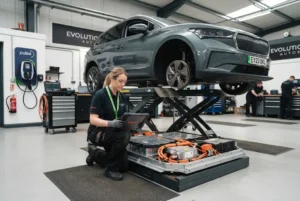
This transformation is also changing the requirements of automotive workshops. Technicians increasingly need high-voltage safety knowledge and specialist diagnostic capabilities alongside conventional mechanical skills.
The wider development of hybrid services and EV maintenance shows how vehicle electrification is creating a new branch of automotive servicing.
As electric vehicles become more widespread, garages that understand battery systems, charging technology and digital diagnostics will be better positioned to serve the changing vehicle fleet.
Advanced Driver-Assistance Systems Are Increasing Complexity
Advanced driver-assistance systems are another important part of modern vehicle technology.
Depending on the vehicle, cameras, radar, sensors and software can support functions such as lane assistance, adaptive cruise control and emergency braking.
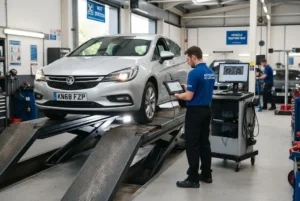
These systems can improve the driving experience, but they also introduce additional inspection and calibration requirements. A repair involving a sensor or camera may require specific procedures before the system can operate correctly.
This creates demand for technicians who understand both the mechanical and electronic aspects of modern vehicles. It also demonstrates why automotive innovation is changing the skills required across the service industry.
Future Transport Will Be More Connected
The future of transport is likely to involve greater integration between vehicles, infrastructure and digital services.
Connected mobility can link vehicles with charging networks, navigation services, traffic information and other transport systems. Electric vehicles can interact with increasingly sophisticated charging infrastructure, while data-driven services can support more efficient movement around urban areas.
These developments could create a more integrated transport ecosystem in which the vehicle is one component of a wider digital network.
For automotive businesses, this means understanding that vehicle technology does not stop at the workshop. Charging, connectivity, software and digital services are increasingly part of the overall ownership experience.
Emerging Trends in Automotive Diagnostics
Vehicle diagnostics are becoming more sophisticated as cars become more electronically complex.
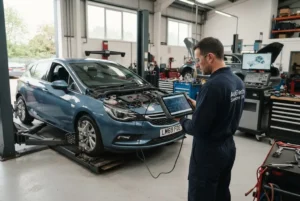
Diagnostic equipment can communicate with vehicle control systems and provide information about stored faults or system conditions. More advanced systems can combine diagnostic data with technical information and other vehicle records to help technicians investigate problems.
AI could further enhance this process by identifying patterns across large datasets and helping technicians narrow down possible causes.
The objective should not be to make diagnosis completely automated. Instead, the most useful systems are likely to combine digital analysis with human expertise.
A qualified technician can assess physical evidence, interpret diagnostic information and determine whether a suggested repair is actually appropriate.
Automotive Innovation and the Future Garage
The garage of the future may look noticeably different from the traditional workshop.
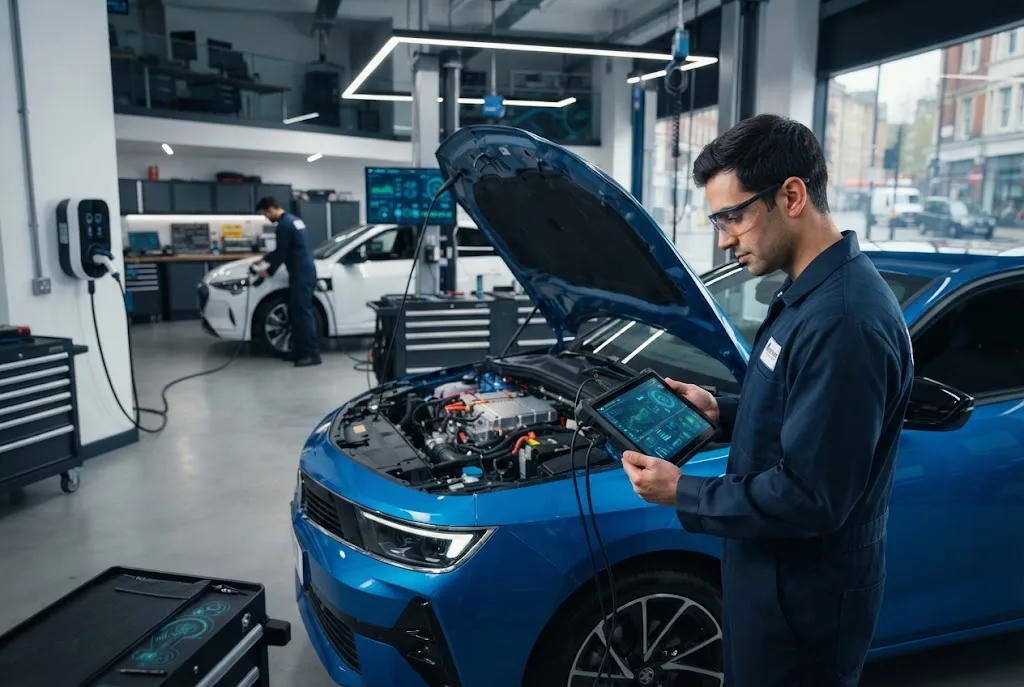
Technicians may use advanced diagnostic platforms, digital inspection tools, EV safety equipment and connected vehicle data as part of everyday work. Customer communication may also become more digital, with inspection photographs, maintenance histories and repair estimates available through online systems.
At the same time, fundamental workshop skills will remain important. Brakes, tyres, suspension, steering and other mechanical systems will continue to require physical inspection and maintenance.
The future garage is therefore more likely to be a combination of mechanical workshop and technology-enabled service centre rather than a completely automated environment.
Why Skills Development Matters
Technology is only useful when people understand how to use it correctly.
The UK’s automotive industry has faced continuing demand for skilled technicians, particularly as vehicles become more technologically sophisticated. Training therefore has an important role in supporting the transition.
Technicians may increasingly need knowledge spanning several disciplines. Mechanical engineering, electrical systems, software, diagnostics, battery technology and advanced safety systems can all form part of modern automotive work.
For automotive businesses, ongoing training can therefore be viewed as part of technology investment rather than a separate issue.
Will Automotive Innovation Make Cars Easier to Maintain?
Technology can make some aspects of maintenance more efficient, but it does not automatically make vehicle ownership cheaper or simpler.
Modern vehicles may be easier to monitor because they can generate detailed diagnostic information. However, they can also require specialist equipment, software access and highly trained technicians.
Electric vehicles reduce some traditional maintenance requirements while introducing new battery and electrical considerations. Connected vehicles provide more information but also create questions around data access and cybersecurity.
For motorists, the overall effect will depend on the vehicle, its age, its technology and the capabilities of the service provider.
How Drivers Can Prepare for the Future
Drivers can benefit from the changing automotive landscape by becoming more informed about their vehicles.
Keeping a complete maintenance history is useful, particularly as vehicles become increasingly digital. Drivers should also understand warning messages, follow appropriate maintenance schedules and choose service providers with the equipment and training required for their vehicle.
For electric and hybrid vehicles, checking whether a workshop has suitable high-voltage training and diagnostic capability can be particularly important.
Motorists can also make better maintenance decisions by asking garages to explain recommended repairs clearly. Digital inspection reports may make this process easier, but customers should still understand why a repair is being proposed and whether it is urgent.
Where Automotive Innovation Is Heading Next
The next phase of automotive innovation is likely to involve several technologies working together rather than one breakthrough dominating the market.
AI mobility, connected vehicles, EV technology, digital garages, smart servicing and advanced diagnostics are all developing at the same time. Their convergence could create a vehicle ownership experience that is more connected and information-rich than the traditional model.
Future vehicles may communicate more extensively with service providers. Diagnostic systems may identify potential issues earlier. Digital records may provide a more complete history of maintenance, while AI-assisted systems may help technicians investigate increasingly complex faults.
At the same time, regulatory standards and safety requirements will remain important. Technologies used in vehicles and workshops need to operate reliably, securely and within the relevant legal framework.
The Road Ahead for UK Automotive Services
The UK’s automotive sector is moving through a period of significant technological change. Electrification is transforming vehicle powertrains, connectivity is expanding the role of data, and artificial intelligence is opening new possibilities for diagnostics and inspection.
For automotive service businesses, adapting to these developments will require investment in people as well as equipment. For drivers, the changes could eventually provide better information about vehicle condition and more proactive approaches to maintenance.
However, the fundamentals of responsible vehicle ownership will remain familiar. Vehicles still need appropriate maintenance, safety systems still require professional attention and qualified technicians remain central to effective servicing.
The real significance of automotive innovation is therefore not that technology will replace the traditional automotive industry. It is that mechanical expertise and digital technology are becoming increasingly interconnected. The businesses and professionals that understand both sides of that transition will play an important role in shaping the future of UK transport.