Tyre services are becoming more connected as modern vehicles increasingly rely on sensors, digital systems and real-time data. Instead of treating tyres as components that only need attention when they become worn or damaged, drivers and fleet operators can now use technology to monitor pressure, temperature, wear and other indicators throughout a tyre’s life.
This shift is creating a new approach to vehicle maintenance. Smart tyres, tyre monitoring systems and connected safety technologies can provide earlier warnings, support better maintenance decisions and reduce the chances of tyre-related problems becoming serious issues on the road. For UK motorists and businesses, the development of these technologies could make routine tyre care more proactive and data-driven.
How Tyre Services Are Becoming Smarter
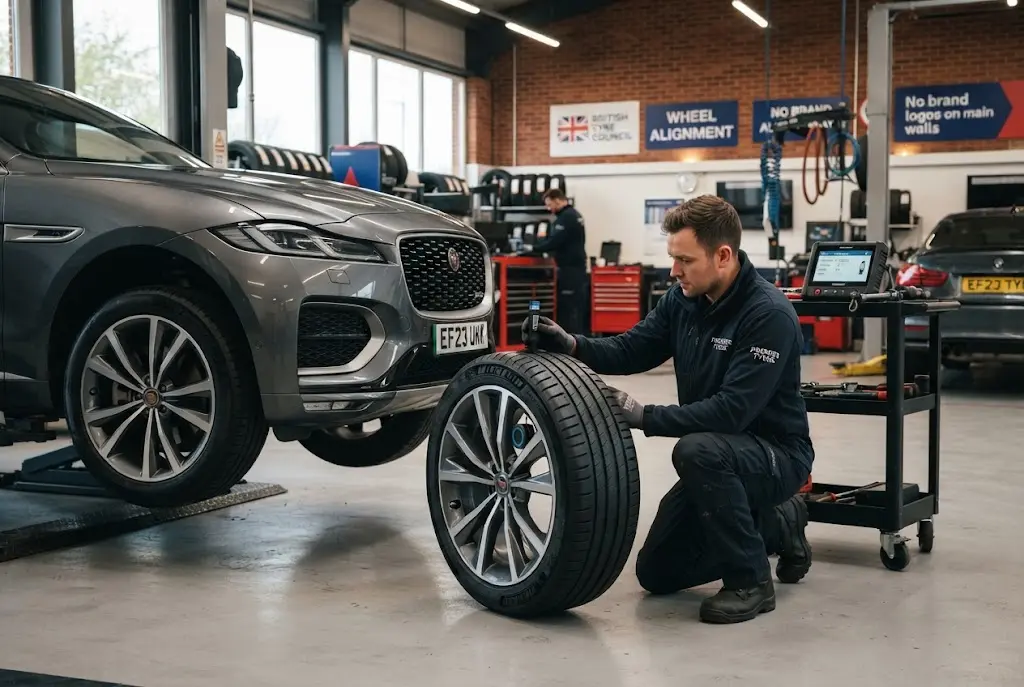
Traditional tyre services have typically centred on inspections, puncture repairs, tyre fitting, balancing, wheel alignment and replacement. These services remain essential, but digital technology is adding another layer to the process.
Modern monitoring systems can collect information about tyre pressure and temperature, while more advanced solutions can combine tyre information with vehicle and telematics data. The result is a clearer picture of how tyres are performing during everyday use.
This matters because tyre condition can change between scheduled inspections. A tyre may gradually lose pressure, develop uneven wear or experience operating conditions that increase stress. Continuous or periodic monitoring can help identify changes earlier than a conventional visual inspection alone.
What Are Smart Tyres?
Smart tyres are tyres that use digital technology to provide information about their condition, performance or use. Depending on the system, sensors can collect information such as pressure, temperature, mileage or other tyre-related measurements.
The technology varies considerably. Some solutions use sensors installed inside the tyre, while other systems combine existing vehicle signals with software models. This means that smart tyre technology is not limited to one particular design or implementation.
For example, tyre manufacturers are developing systems that connect tyre data with vehicle electronics and software. These systems can provide information to drivers or fleet managers and may support features designed around safety, maintenance and vehicle performance.
The wider development of connected vehicles is also making tyres an increasingly important source of vehicle data. As cars become more digitally integrated, tyre information can potentially become part of a broader picture of vehicle health.
Why Tyre Monitoring Matters for UK Drivers
Tyre monitoring can help drivers become more aware of conditions that may otherwise go unnoticed. One of the most important examples is tyre pressure.
Incorrect tyre pressure can affect handling, braking performance, tyre wear and fuel efficiency. A monitoring system can warn the driver when pressure moves outside an expected range, giving them an opportunity to investigate the problem rather than discovering it after a more serious failure.
The UK Government recognises tyre pressure monitoring as an important vehicle safety technology. Its guidance explains that underinflated tyres can contribute to poor handling, increased stopping distances and tyre failure. UK Government guidance on tyre pressure monitoring systems also identifies TPMS as a technology with collision-avoidance potential.
For drivers, this does not remove the need for regular inspections. Instead, digital monitoring should be viewed as an additional safety layer. Drivers still need to check tyre condition, tread, visible damage and pressure according to the vehicle manufacturer’s recommendations.
From Tyre Monitoring to Connected Safety
The next stage of tyre technology is about connecting tyre information with other vehicle systems. This can turn an isolated warning into information that helps explain what may be happening to the vehicle.
Connected safety can involve communication between tyres, sensors, vehicle electronics, telematics platforms and digital dashboards. Depending on the technology available, data can be used to identify pressure changes, temperature variations or potential maintenance requirements.
For commercial operators, this approach can be particularly valuable. A fleet manager may need to oversee dozens or hundreds of vehicles, making manual tyre checks more difficult to manage consistently. Connected systems can provide centralised information that helps maintenance teams prioritise vehicles requiring attention.
This does not mean technology replaces technicians. Instead, better information can help technicians make more informed decisions and allow tyre services to be scheduled around actual vehicle requirements.
Predictive Maintenance Could Change Tyre Services
Predictive maintenance is one of the most important developments in connected tyre technology. Traditional maintenance often follows a fixed schedule or responds to a problem after it appears. Predictive systems attempt to identify patterns that could indicate a developing issue before it results in a breakdown.
For example, pressure, temperature, wear and vehicle-use information can be analysed to identify conditions that may require attention. A fleet operator could then arrange an inspection or tyre fitting appointment before a tyre problem causes unexpected downtime.
This approach is already being developed for commercial fleets. Modern tyre management platforms can combine monitoring data, telematics and predictive algorithms to help operators anticipate maintenance requirements.
For private motorists, predictive maintenance may become more visible as connected vehicle systems become more common. Instead of simply receiving a warning that a tyre requires attention, future systems could provide more useful information about the likely cause, urgency and recommended next step.
How Smart Technology Can Improve Tyre Fitting
Tyre fitting remains a practical service, but digital information can make the process more efficient. When a vehicle arrives at a tyre centre, information about the vehicle and its tyre condition could help technicians understand what needs to be inspected or replaced.
Digital records can also support better maintenance history. Rather than relying entirely on paper records or a driver’s memory, connected systems may provide a clearer timeline of tyre changes, inspections and performance data.
This can be particularly useful for businesses managing multiple vehicles. Knowing when tyres were fitted, how they have been used and what previous inspections identified can help maintenance teams plan future work.
However, smart technology should complement professional tyre fitting rather than replace it. Correct tyre selection, installation, balancing, inflation and physical inspection remain important parts of safe vehicle maintenance.
Smart Tyres and Fleet Management
Commercial fleets have a strong reason to invest in connected tyre technology because tyre-related problems can create more than a repair bill. A vehicle that is unexpectedly off the road can affect deliveries, appointments, schedules and customer service.
Digital tyre monitoring can help fleet operators identify problems earlier and organise maintenance before failures cause unnecessary disruption. It can also support better records and maintenance planning across multiple vehicles.
For operators, the value therefore extends beyond the tyre itself. Better tyre data can contribute to wider fleet efficiency, maintenance planning and operational visibility.
UK commercial vehicle operators already have responsibilities around tyre condition, pressure, tread depth, damage and maintenance. Government guidance on maintaining roadworthiness emphasises the need for tyres to be regularly examined and for tyre pressures and tread depths to be monitored and maintained.
The Road Safety Potential of Smart Tyre Technology
Tyres are the only part of a vehicle that directly contacts the road, so their condition has a direct relationship with vehicle control. Technology that helps drivers identify pressure or condition issues earlier could therefore contribute to safer driving.
Road safety innovation is increasingly focused on preventing problems rather than simply responding to incidents. Tyre monitoring fits naturally into this approach because it can provide information before a driver experiences a noticeable handling problem or tyre failure.
Research and trials in the UK have also explored technology capable of checking tyre pressure, tread depth, temperature and condition. Such systems demonstrate how tyre information can be collected and analysed rapidly rather than relying solely on manual checks.
Still, technology is not a substitute for responsible driving. Drivers should respond to warnings promptly, inspect tyres regularly and seek professional assistance when damage or unusual wear is suspected.
What the Future of Tyre Services Could Look Like
The future of tyre services is likely to involve greater integration between physical servicing and digital information. A vehicle could continuously collect tyre-related data, identify changes and communicate maintenance recommendations through an app, dashboard or fleet management platform.
For consumers, this could make tyre maintenance more convenient. Instead of remembering every inspection manually, drivers could receive reminders based on vehicle use and tyre condition. For fleets, the same principle could scale across large numbers of vehicles.
Tyre manufacturers are also exploring digital tyre identities, embedded sensors, artificial intelligence and virtual tyre models. These developments point towards tyres becoming active sources of vehicle intelligence rather than passive components.
As these systems mature, the distinction between tyre fitting, tyre monitoring and vehicle maintenance may become less rigid. A modern tyre service could increasingly involve checking digital records, interpreting sensor data, inspecting physical condition and recommending the most appropriate maintenance action.
Are Smart Tyres Worth Considering?
For most drivers, the answer depends on the vehicle, driving requirements and available technology. Smart tyre systems can provide useful information, but they do not eliminate the basics of tyre maintenance.
Drivers should still choose tyres suitable for their vehicle, maintain recommended pressures, monitor tread and inspect for visible damage. A connected system can add convenience and earlier warnings, but safe tyre care still depends on taking action when a problem is identified.
For high-mileage drivers and commercial fleets, the potential benefits can be more significant. Real-time information, maintenance alerts and predictive analysis may help reduce unexpected downtime and improve tyre management.
Why Tyre Technology Will Matter More
The growth of connected vehicles is changing expectations across the automotive industry. Drivers increasingly expect their vehicles to provide useful information about performance, maintenance and safety, and tyres are becoming part of that connected ecosystem.
Smart tyres and advanced tyre monitoring can help move maintenance from a reactive model towards a more proactive one. Instead of waiting for a tyre problem to become obvious, connected systems can provide information that supports earlier decisions.
For UK motorists, this development should be seen as an extension of good maintenance rather than a replacement for it. Professional inspections, appropriate tyre fitting and responsible driving will remain essential. The difference is that future tyre services are likely to be supported by much better information.
As automotive technology continues to develop, tyre data could become increasingly important to vehicle safety, maintenance planning and ownership. For drivers and fleet operators alike, understanding these developments now can make it easier to take advantage of the next generation of connected vehicle services.