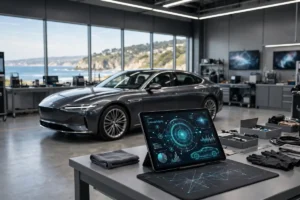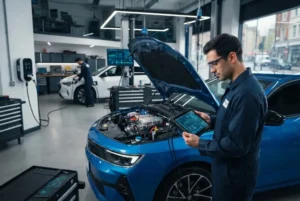
The world of auto services is changing rapidly. Vehicle owners are no longer relying solely on traditional garage visits, fixed maintenance schedules and manual fault finding. Modern vehicles are increasingly connected, software-driven and equipped with systems that can collect and process information about how they operate.
As a result, the relationship between drivers, vehicles and garages is becoming more digital. From AI-powered diagnostics and connected vehicles to digital garages and smart maintenance, technology is changing how problems are identified, how repairs are carried out and how vehicle owners manage their cars.
This shift does not mean traditional mechanical expertise is disappearing. Instead, the future of auto services is likely to combine skilled technicians with better data, more advanced diagnostic tools and increasingly intelligent automotive software.
Why Auto Services Are Entering a New Era
For decades, vehicle maintenance followed a relatively predictable pattern. Drivers booked a service at a set interval, technicians inspected the vehicle and any obvious problems were repaired. While this approach remains important, modern vehicles can provide far more information than older cars could.
Today’s vehicles contain numerous electronic control units, sensors and software systems. These technologies can monitor areas such as engine performance, braking systems, emissions, battery condition and other vehicle functions.
This creates an opportunity for auto services to become more proactive. Instead of waiting for a warning light or mechanical failure, garages can increasingly use vehicle data and advanced diagnostics to identify potential issues earlier.
The result could be a more personalised approach to vehicle care, where maintenance decisions are influenced by the actual condition and usage of a vehicle rather than relying entirely on predetermined intervals.
AI Automotive Technology and Smarter Diagnostics
Artificial intelligence is becoming an increasingly important part of automotive innovation. Although AI is not a replacement for experienced technicians, it can help process large amounts of vehicle information and support faster diagnosis.
AI automotive systems can potentially identify patterns in diagnostic information that may be difficult or time-consuming to recognise manually. When combined with technician expertise, this can help workshops investigate faults more efficiently.
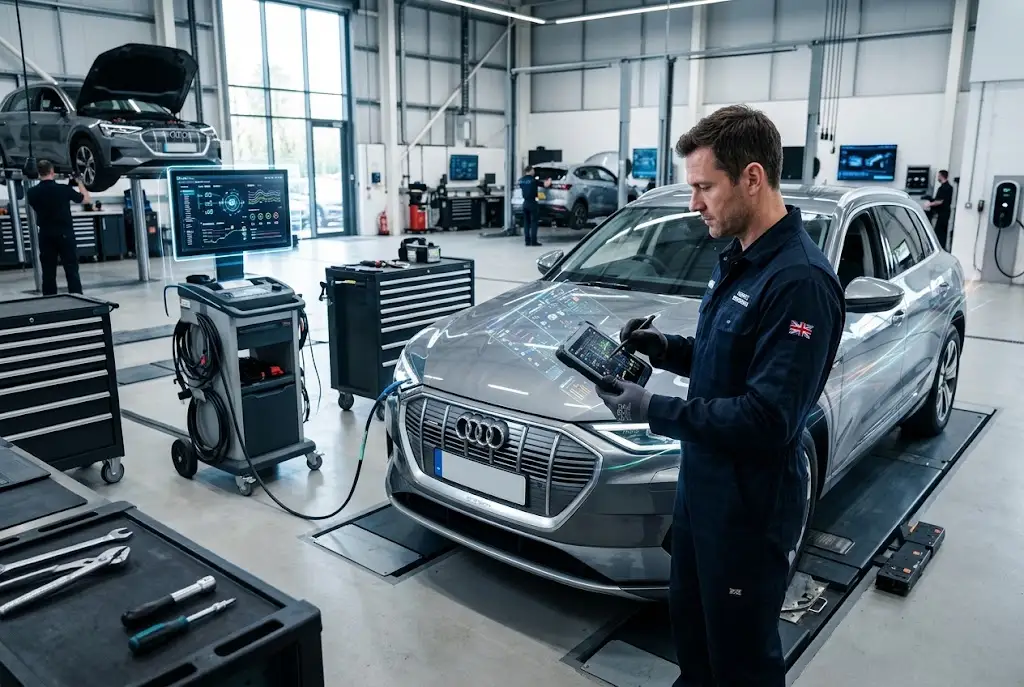
For example, a modern diagnostic system may collect information from multiple vehicle systems rather than focusing on one isolated fault code. Software can then help technicians understand relationships between different signals and identify areas that require further inspection.
This could make auto repair services more efficient while reducing unnecessary component replacement. However, diagnostics should still be treated as a tool rather than an automatic answer. Physical inspection and professional judgement remain essential, particularly when safety-critical systems are involved.
Connected Vehicles Will Change Vehicle Maintenance
Connected vehicles are another major development shaping the future of automotive services. A connected car can communicate information through digital systems, creating new possibilities for monitoring vehicle condition and managing maintenance.
For vehicle owners, this could mean receiving more useful information about their car before a problem becomes serious. For garages, connected data could provide additional insight before a vehicle even arrives at the workshop.
This creates the potential for a more efficient service experience. A garage may be able to understand the reported issue, review relevant diagnostic information and prepare the appropriate equipment or replacement parts before the appointment.
The wider development of connected vehicles is also relevant to the future of vehicle testing. The UK Driver and Vehicle Standards Agency has been researching how the future MOT could respond to connected vehicles and changing automotive technology.
For drivers, the important point is that vehicle connectivity is not simply about entertainment or convenience. It could eventually influence how maintenance, diagnostics, inspections and other auto services are delivered.
From Traditional Garages to Digital Garages
The garage of the future may look different from the traditional workshop, but its core purpose will remain familiar: keeping vehicles safe, reliable and roadworthy.
Digital garages can use software to improve appointment management, customer communication, diagnostic processes, service records and vehicle information. Instead of relying heavily on paper records and manual administration, more of the customer journey can be managed digitally.
A driver could potentially book a service online, receive digital reminders, approve recommended work electronically and receive a digital report after the vehicle has been inspected.
These improvements can make the ownership experience more convenient while also giving garages better visibility over their workload and customer history.
Digital systems may also make it easier for customers to understand what work has been recommended. Clear digital inspection reports, photographs and diagnostic information can help explain why a repair may be necessary.
Smart Maintenance Could Reduce Unexpected Repairs
One of the most important changes in future auto services is likely to be the move from reactive repairs towards smart maintenance.
Traditional maintenance often follows a calendar or mileage-based schedule. Preventive maintenance already improves this approach by encouraging owners to deal with wear and servicing requirements before they cause larger problems.
Smart maintenance takes the idea further by considering how the vehicle is actually being used and what its systems are reporting.
Predictive maintenance can use data and predictive analytics to identify signs that a component may require attention. The objective is not necessarily to predict every failure perfectly, but to give technicians and drivers better information for making maintenance decisions.
This approach could be particularly useful for vehicles that experience different operating conditions. A car used mainly for short urban journeys may have different maintenance requirements from one that regularly travels long motorway distances.
Ultimately, smarter maintenance could help reduce avoidable breakdowns and make vehicle ownership more predictable.
How Automotive Software Is Becoming More Important
Modern vehicles are increasingly dependent on software. Electronic systems control or support many functions that were previously handled almost entirely through mechanical components.
This means automotive software is becoming an important part of both vehicle operation and auto care services.
Future technicians may therefore need a broader combination of mechanical knowledge, electronics expertise and software skills. Workshops may also need diagnostic platforms capable of communicating with increasingly sophisticated vehicle systems.
This does not make traditional mechanical skills less valuable. Instead, the role of the technician is likely to become more multidisciplinary.
The same trend is already influencing the repair industry. As vehicles become more software-dependent, workshops need access to appropriate diagnostic information, tools and repair procedures to maintain them properly.
Electric Vehicles Will Accelerate Automotive Innovation
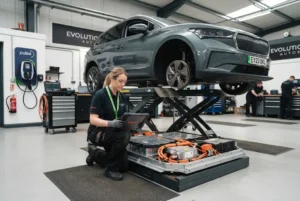
The growth of electric and hybrid vehicles is also influencing the future of vehicle care. These vehicles have different mechanical and electrical systems from conventional petrol and diesel cars, which means workshops need new knowledge and equipment.
Battery systems, high-voltage components, electric motors and sophisticated electronic controls create different diagnostic and repair requirements.
At the same time, some traditional maintenance requirements can change. Electric vehicles do not have conventional combustion engines, meaning certain engine-related servicing tasks are no longer relevant. However, tyres, brakes, suspension, steering, cooling systems and other components still require professional attention.
Future mobility will therefore not eliminate the need for garages. Instead, it will change the type of expertise that modern auto services need to provide.
What the Future Means for Drivers
For drivers, the biggest benefit of technological development could be a more convenient and informed ownership experience.
Instead of discovering a problem unexpectedly, drivers may receive earlier warnings. Instead of explaining a fault from memory, connected diagnostic information could help a garage understand the issue more quickly. The Instead of keeping paper service records, owners can increasingly rely on digital vehicle histories.
However, technology should not encourage drivers to ignore professional inspections. Digital information can support maintenance decisions, but it does not replace a physical inspection when one is required.
Drivers should also consider data privacy and understand what vehicle information is being collected, where it is stored and who can access it. As connected technology becomes more widespread, these questions will become increasingly relevant to digital vehicle ownership.
The Future of Auto Services Is More Connected
The future of auto services is unlikely to be defined by one single technology. Instead, several developments are coming together: AI diagnostics, connected vehicles, automotive software, digital garages, predictive analytics and smarter maintenance.
These technologies can help garages move towards a more proactive model of vehicle care. They can also help drivers receive better information and potentially identify maintenance needs before they develop into more serious problems.
The next stage of this evolution will also affect areas such as car servicing, where digital vehicle information could influence how service intervals and maintenance recommendations are managed.
As repair technology develops, auto repair services will also become increasingly dependent on advanced diagnostics, software and connected workshop equipment.
Vehicle owners can expect the same transformation in vehicle maintenance, particularly as predictive and condition-based approaches become more practical.
The testing side of vehicle ownership is changing too. Developments in digital inspections and connected equipment are likely to influence the future of MOT and service processes.
For the UK automotive industry, this is more than a technology upgrade. It represents a broader shift towards a vehicle ownership model where information, software and professional expertise work together. The garages that adapt to this changing environment will be better positioned to serve drivers as vehicles become increasingly connected and intelligent.