Future mobility is changing the way people think about cars, transport and vehicle ownership. The automotive industry is moving beyond traditional petrol and diesel vehicles towards connected cars, electric vehicles, intelligent software, digital garages and increasingly automated transport systems. These developments are not simply changing the vehicles themselves; they are also influencing how motorists maintain, use and manage them.
For drivers, the transition may be gradual rather than dramatic. Existing vehicles will remain on UK roads for years, while newer technologies become increasingly common. However, the direction is clear: automotive services are becoming more digital, connected and data-driven, creating a very different ownership experience from the one many motorists have known in the past.
What Does Future Mobility Mean?
Future mobility describes the evolving ways people and goods move through increasingly connected, intelligent and sustainable transportation systems. In the automotive sector, this includes electric vehicles, connected vehicles, advanced driver assistance systems, autonomous technology, digital services and new approaches to vehicle ownership.
The concept is broader than replacing conventional cars with electric models. It involves changes to infrastructure, software, maintenance, transportation services and the relationship between drivers and their vehicles.
For consumers, one of the most noticeable changes may be the increasing role of technology throughout the vehicle lifecycle. Buying a car, booking maintenance, diagnosing a problem and monitoring vehicle condition can all become more digitally integrated.
Connected Vehicles Are Central to Future Mobility
Connected vehicles are an important part of the changing automotive landscape. Modern cars can contain numerous electronic systems capable of collecting information about vehicle operation, depending on the vehicle’s specification and technology.
This connectivity can support a range of services. Vehicle information may help technicians investigate faults, assist with maintenance planning or provide drivers with useful notifications.
Connectivity also creates new expectations. Drivers increasingly want their vehicles and automotive services to work as smoothly as the other digital products they use every day. That means automotive businesses may need to provide clearer digital communication, online booking and accessible service information alongside traditional mechanical expertise.
AI Servicing Could Make Vehicle Maintenance Smarter
Artificial intelligence is also becoming relevant to automotive maintenance. AI servicing can refer to the use of intelligent software and data analysis to support diagnostics, maintenance planning and other vehicle-service processes.
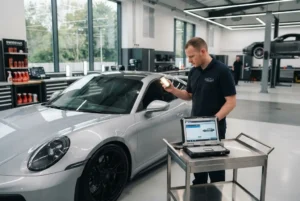
AI systems can potentially process large amounts of diagnostic information and identify patterns that deserve further investigation. This can help technicians focus their attention on relevant information, particularly when modern vehicles contain increasingly complex electronic systems.
However, AI does not eliminate the need for professional automotive expertise. Diagnostic information still needs to be interpreted correctly, and physical inspection may be necessary to confirm the underlying cause of a problem.
This is why the development of auto inspection services is important to the wider mobility transition. Digital tools can provide additional information, while trained professionals remain responsible for evaluating the vehicle and recommending appropriate action.
EV Maintenance Is Creating New Service Requirements
The growth of electric vehicles is one of the most significant developments influencing EV maintenance. Electric vehicles have different mechanical and electrical characteristics from conventional petrol and diesel cars.
Some familiar engine-related maintenance requirements do not apply in the same way to an electric powertrain. At the same time, EVs introduce high-voltage electrical systems and other technologies that require appropriate training, procedures and equipment.
This means automotive businesses need to adapt their technical capabilities as the vehicle market changes. Drivers also need to understand that electric vehicles still require professional maintenance even though their maintenance requirements may differ from those of conventional cars.
The transition to electric mobility therefore creates opportunities for specialist automotive services while increasing the importance of technician training and appropriate safety practices.
Digital Garages Are Changing the Service Journey
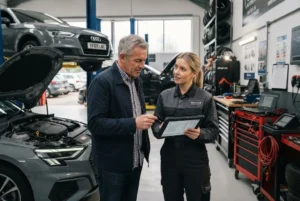
The traditional garage is also evolving. Digital garages combine conventional automotive expertise with technology such as online booking, electronic inspection reports, digital service records and diagnostic systems.
For customers, the biggest benefit can be transparency. Instead of relying entirely on a verbal explanation, motorists can receive structured information about inspection findings and recommended maintenance.
This development connects closely with the broader growth of auto care services. Modern vehicle care is increasingly about managing the entire ownership experience rather than simply repairing a vehicle after it develops a fault.
Digital systems can also make it easier for garages to organise appointments, maintain service histories and communicate with customers. When used effectively, technology can improve efficiency without removing the personal expertise that remains important in automotive work.
Mobile Services Fit the New Mobility Model
Convenience is another important element of changing mobility expectations. Drivers increasingly want automotive services to fit around their lives rather than requiring them to make unnecessary journeys.
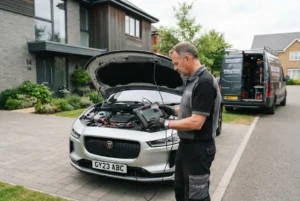
This is one reason mobile auto service has become an interesting part of the modern automotive landscape. Where a particular repair or maintenance task is suitable for on-location work, a mobile mechanic can potentially visit a customer’s home or workplace.
Mobile servicing will not replace every traditional workshop. Complex repairs may require specialist equipment or facilities. Nevertheless, the model demonstrates how automotive services can become more flexible as consumer expectations change.
Autonomous Technology and the Changing Role of the Driver
Autonomous technology is another major area within future mobility. Advanced driver assistance systems already provide features designed to support drivers in certain situations, while research and development continue across increasingly automated driving technologies.
It is important to distinguish between driver assistance and fully autonomous driving. Many technologies available today are designed to assist the driver rather than remove the driver’s responsibility for controlling the vehicle.
As automation develops, vehicles may become increasingly capable of sensing their surroundings, processing information and assisting with driving tasks. This could eventually influence everything from road design and insurance to vehicle maintenance and driver behaviour.
However, widespread adoption depends on more than technology alone. Regulation, infrastructure, safety validation, consumer acceptance and the practical limitations of different driving environments will all influence how quickly these systems develop.
Smart Transport Goes Beyond Private Cars
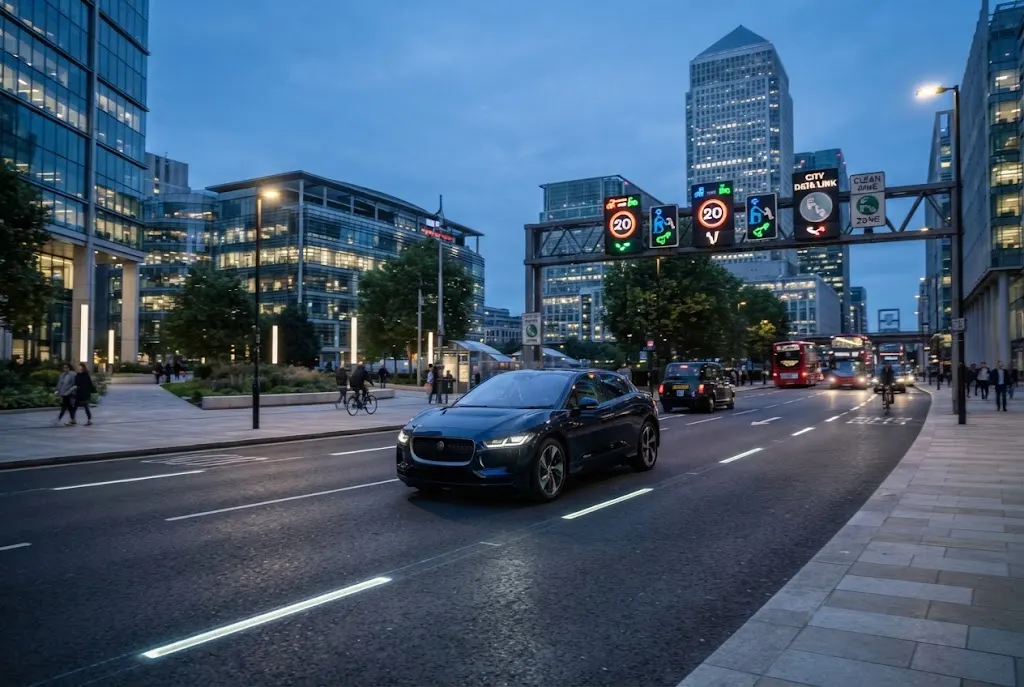
The future of mobility is not limited to privately owned vehicles. Smart transport can involve connected public transportation, shared mobility services, intelligent traffic systems and better integration between different forms of transport.
The objective is to make movement more efficient and responsive. Digital systems can help coordinate transport services and provide users with better information about journeys.
For motorists, this could eventually mean that owning a vehicle becomes only one part of a wider mobility network. People may combine private cars with public transport, shared vehicles and other transportation options depending on the journey.
How Future Mobility Could Change Vehicle Ownership
Traditional vehicle ownership involves purchasing a car, arranging insurance, maintaining it and eventually replacing it. Emerging mobility models could make that relationship more flexible.
Some consumers may increasingly consider subscription-style access, shared vehicles or other alternatives to conventional ownership. Others will continue to prefer owning a personal car, particularly where public transport options are limited or a vehicle is important for work and family life.
The important point is that consumer choice is likely to become broader. Mobility services can develop alongside traditional ownership rather than immediately replacing it.
Whatever model a driver chooses, maintenance remains important. Understanding car service cost can help motorists assess the financial side of keeping a vehicle on the road and compare the ongoing costs associated with different ownership options.
Why Data Will Matter More
Data is becoming an increasingly important resource across the automotive industry. Connected vehicles can generate information that may support diagnostics, maintenance planning and service communication.
Used responsibly, this information can help move automotive care towards a more proactive model. Instead of waiting for a major problem to appear, drivers and technicians may have more opportunities to identify potential concerns earlier.
However, more data also means greater responsibility. Automotive businesses need to handle vehicle information appropriately, while consumers should understand what information their connected vehicle systems collect and how it is used.
The Automotive Workforce Will Need New Skills
The shift towards connected, electric and software-driven vehicles is changing the skills required across the automotive sector. Mechanical knowledge remains essential, but technicians increasingly need familiarity with electronics, diagnostics, software and high-voltage vehicle systems.
This does not mean traditional mechanical skills are becoming irrelevant. Cars will continue to contain physical components that require inspection, maintenance and repair. Instead, modern automotive work increasingly combines mechanical expertise with technological knowledge.
For garages, investing in equipment and technician training will be an important part of adapting to changing vehicle technology.
What Drivers Should Expect From the Next Generation of Automotive Services
As the industry develops, customers can reasonably expect automotive services to become more convenient and information-rich. Online booking, digital records, connected diagnostics and clearer inspection reports are likely to become increasingly normal.
Drivers may also have more visibility into vehicle condition and maintenance requirements. This can support better planning and reduce some of the uncertainty associated with unexpected repairs.
At the same time, consumers should remain cautious about exaggerated technology claims. A sophisticated app or automated recommendation does not automatically mean a service is better. Reliability, technician expertise, safety and transparent communication will remain essential.
The Road Ahead for Future Mobility
The development of future mobility is not one single technological revolution. It is a combination of changes taking place across vehicles, infrastructure, automotive services and consumer behaviour.
Connected vehicles can generate more information. AI can help analyse that information. Electric vehicles can change maintenance requirements. Digital garages can improve the service experience, while mobile services can make vehicle care more convenient. Autonomous technology and smart transport can influence how people travel.
Together, these developments are creating a more integrated automotive ecosystem.
For drivers, the transition does not mean abandoning everything familiar. Professional maintenance, responsible driving and appropriate vehicle care will remain important. What changes is the technology surrounding those fundamentals.
As the automotive industry continues moving towards a more connected and intelligent future, the most successful services are likely to be those that combine innovation with practical customer value. The future of mobility will ultimately be judged not only by how advanced vehicles become, but by how effectively those advances make transportation safer, more convenient, sustainable and useful for everyday people.
For official UK information about vehicle testing and MOT requirements, motorists can consult the UK Government’s MOT guidance.