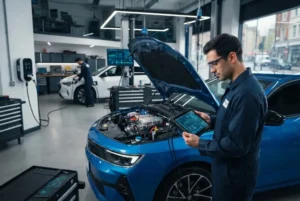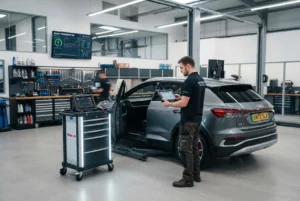
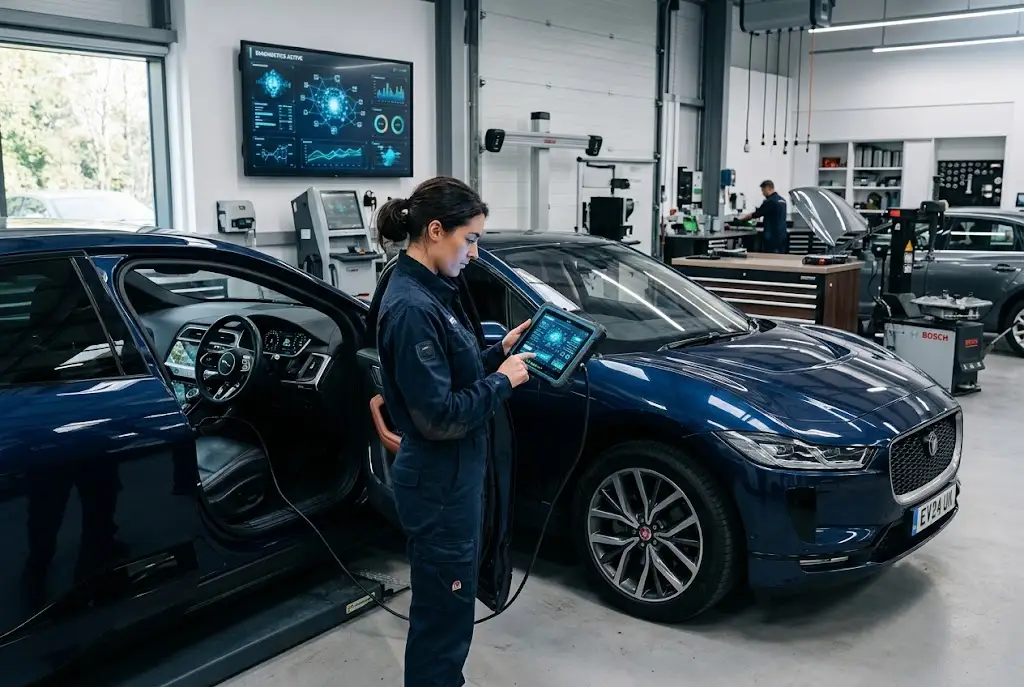
Auto repair services are changing as modern vehicles become more connected, software-driven and technologically advanced. Traditional mechanical skills remain essential, but today’s technicians increasingly rely on sophisticated diagnostic equipment, automotive software and digital information to identify and resolve vehicle problems.
This transformation is affecting almost every stage of the repair process. From the moment a fault is reported to the final inspection, technology can help workshops collect better information, diagnose problems more efficiently and communicate repair recommendations more clearly.
For drivers, the result could be a faster, more transparent and increasingly personalised repair experience. For garages, however, the transition also requires investment in equipment, training and technical expertise.
Why Auto Repair Services Are Changing
Modern vehicles are fundamentally different from many older cars. Alongside mechanical components, they contain electronic control units, sensors, cameras, communication systems and software that manage or support numerous vehicle functions.
When something goes wrong, the cause is not always immediately visible. A warning light can relate to a complex interaction between electronic and mechanical systems rather than one straightforward component.
This is why modern auto repair services increasingly depend on advanced diagnostic technology. Technicians can use electronic systems to identify stored fault information and then combine those results with physical inspections and testing.
The objective is not simply to make repairs more technological. It is to give technicians better information so they can make more informed decisions.
The UK’s automotive landscape is also becoming more connected. Government research has highlighted how connected vehicle data can provide information about vehicle condition and support diagnostic services. More recent UK policy work has also focused on standardised access to vehicle on-board diagnostic information and repair and maintenance information.
AI Diagnostics Are Changing Fault Finding
Artificial intelligence is becoming an important area of automotive innovation. As vehicles produce increasingly large amounts of information, software can help technicians process and interpret diagnostic data.
AI diagnostics may be able to identify patterns across different data points and highlight areas that deserve further investigation. This could potentially reduce the time required to narrow down some faults, particularly when several vehicle systems are involved.
However, AI should not be treated as an automatic replacement for technical expertise. A software-generated result still needs to be assessed by a qualified professional.
A diagnostic code may indicate a system or component associated with a problem without proving that the component itself has failed. Technicians may therefore need to carry out additional tests before recommending a repair.
The most effective future model is likely to combine AI-assisted analysis with the experience and practical judgement of skilled technicians.
Repair Technology Is Becoming More Advanced
The tools available to modern workshops are evolving alongside vehicles. Diagnostic scanners, electronic testing equipment, battery analysis systems and software platforms are becoming increasingly important in professional repair environments.
Repair technology can help technicians access vehicle information and investigate faults that may not be obvious through a basic visual inspection.
For example, electronic systems can provide information about sensors, control units and other components. Technicians can use this information alongside physical testing to establish whether a particular part is actually responsible for the fault.
As vehicles become more complex, access to accurate technical information and suitable diagnostic equipment will become increasingly important for independent workshops as well as larger automotive service networks.
Connected Garages Could Improve the Repair Process
The concept of a connected garage extends beyond diagnostic equipment. Digital systems can also change how workshops manage customer information, appointments, inspections and repair approvals.
A connected garage could receive relevant information before a vehicle arrives. If a customer reports a warning light or an unusual vehicle behaviour, digital information may help the workshop prepare for the appointment.
Once the vehicle is inspected, digital tools can also make it easier to communicate findings. A technician might document an issue with photographs, diagnostic information or digital inspection notes.
This can make the repair recommendation easier for a customer to understand. Instead of receiving a vague explanation, the driver may have clearer evidence about what the technician has found and why a particular repair has been suggested.
Better communication can be particularly valuable when a repair is not immediately obvious to the vehicle owner.
Workshop Automation Is Supporting Technicians
Automation is another area influencing the future of vehicle repair. Not every workshop task needs to be automated, and human expertise remains central to professional repairs. However, repetitive administrative and information-management tasks can increasingly be handled by digital systems.
Workshop automation can assist with appointment scheduling, customer notifications, repair estimates, digital inspections and service records. This can reduce administrative workload and allow staff to spend more time on technical and customer-facing tasks.
Some workshops may also use automated systems to organise workflow, track parts or manage repair stages.
The value of automation is therefore not necessarily about removing people from the process. It is about making the overall operation more efficient and giving technicians better access to the information they need.
From Traditional Workshops to Smart Workshops
Smart workshops combine physical repair expertise with digital tools. Diagnostic scanners, connected software platforms, digital vehicle inspections and cloud-based workshop management systems can work together to create a more integrated repair process.
This approach is particularly relevant as vehicles become increasingly software-dependent. The UK’s Vehicle Certification Agency explains that vehicle software updates and cybersecurity are now significant parts of the regulatory environment for applicable vehicles. Software is therefore becoming part of vehicle servicing rather than something completely separate from traditional maintenance.
For independent garages, this creates both opportunities and challenges. Technicians may need regular training to work confidently with modern diagnostic platforms, electronic systems and software-related service procedures. Workshops may also need to invest in suitable equipment and secure digital infrastructure.
Automotive Software Is Becoming Essential
Software is now deeply integrated into modern vehicles. It can control or support functions ranging from engine management and braking systems to driver assistance and infotainment.
This means automotive software is increasingly relevant to auto repair services. A workshop may need appropriate software tools to communicate with vehicle systems, interpret diagnostic information or carry out certain procedures.
The growing role of software also changes the skills required by technicians. Mechanical knowledge remains essential, but modern technicians may also need a strong understanding of electronics, diagnostics and computer-based systems.
This creates a more multidisciplinary role in which physical repair and digital diagnosis work together.
Security is another consideration. Connected vehicles and workshop systems handle valuable technical and sometimes personal information. The UK’s Vehicle Certification Agency highlights cybersecurity and software-update requirements within the connected and automated vehicle environment, reinforcing the importance of treating software as part of the vehicle lifecycle rather than an optional extra.
Electric Vehicles Are Creating New Repair Requirements
The growth of electric vehicles is another major factor influencing repair technology. Electric cars have different powertrain architectures from conventional petrol and diesel vehicles, creating new technical requirements for workshops.
High-voltage batteries, electric motors, charging systems and sophisticated electronic controls require appropriate knowledge, safety procedures and equipment.
At the same time, some traditional engine-related repairs are less relevant to fully electric vehicles. This does not mean electric vehicles are maintenance-free. Tyres, suspension, steering, braking systems, cooling systems and other components still require inspection and attention.
As electric vehicle adoption develops, repair businesses will need to adapt their equipment and training to work safely and effectively with these technologies.
Connected Vehicles Could Change How Repairs Begin
Connected vehicles have the potential to change the repair process before a car even reaches a workshop.
Instead of a driver discovering a problem and providing a description from memory, connected systems may provide additional diagnostic information that can help identify a potential issue.
This could eventually allow some repair appointments to be planned around information received from the vehicle. A workshop might have a better understanding of the likely issue and prepare appropriate equipment before the vehicle arrives.
Such systems could also support predictive approaches, where unusual patterns are identified before they develop into a noticeable failure.
However, connected information will not replace physical inspection. Many faults still require a technician to examine, test or measure components directly.
Predictive Maintenance Moves Repairs Further Upstream
One of the most significant developments in automotive technology is the move from reactive repairs towards predictive maintenance. Traditional repair behaviour often begins with a symptom: a warning light appears, a noise develops or a component stops working correctly.
Predictive systems take a different approach. They use available vehicle information to look for patterns that could indicate a developing issue. In some connected vehicle applications, manufacturers have already used remote vehicle data and predictive diagnostics to identify potential problems before a conventional service visit.
This approach is closely related to the future of vehicle maintenance. Instead of viewing servicing as a series of isolated appointments, digital maintenance can become an ongoing process supported by vehicle monitoring and data analysis.
Predictive maintenance does not mean that every future failure can be predicted accurately. Vehicle conditions vary, sensors can have limitations and not every component provides enough data for reliable forecasting. Nevertheless, the technology can provide another layer of information for drivers, fleet operators and technicians.
Digital Servicing and Repair Are Becoming Connected
The boundaries between servicing and repairs are also becoming less rigid as vehicles generate more diagnostic information.
Routine car servicing can identify developing issues before they become major faults, while diagnostic technology can provide additional information during scheduled maintenance.
For more comprehensive care, vehicle maintenance increasingly combines preventive practices with smarter monitoring and digital tools.
These developments are part of the wider transformation in auto services, where connected vehicles and digital workshop systems are changing the customer and technician experience.
Vehicle testing is evolving alongside repair technology as well. Drivers can explore the relationship between MOT and service requirements and the growing use of digital inspection technology.
How Technology Could Improve the Customer Experience
Technology can improve more than technical diagnosis. It can also make the repair experience easier for customers.
Digital booking systems can simplify appointment scheduling. Automated notifications can keep drivers informed about repair progress. Digital inspections can provide evidence of problems, while electronic approvals can allow customers to respond to recommendations without repeatedly contacting the workshop.
Clear communication is particularly important because vehicle repairs can sometimes involve technical terminology that customers do not understand.
Digital reports can help translate technical findings into a clearer explanation of the issue, the recommended action and the potential consequences of delaying necessary work.
Greater transparency can help build customer confidence, although workshops still need to ensure that digital information is accurate and presented responsibly.
The Importance of Technician Skills
Technology does not remove the need for skilled automotive professionals. In many ways, it increases the importance of having technicians who understand how to use modern tools correctly.
A diagnostic platform can provide information, but someone still needs to interpret the result. A software system can highlight an abnormal reading, but a technician must determine what is causing it.
This means future technicians are likely to need a combination of traditional mechanical knowledge and digital skills.
Continued training will be important as vehicle manufacturers introduce new systems and repair procedures. Workshops that invest in equipment and technician development will be better positioned to handle increasingly sophisticated vehicles.
The Future of Auto Repair Services
Auto repair services are moving towards a more connected, digital and data-driven future. AI diagnostics, advanced repair technology, workshop automation, connected garages and automotive software are changing how technicians approach modern vehicles.
Yet the core purpose of vehicle repair remains unchanged. Garages still need to identify faults accurately, replace or repair defective components and return vehicles to a safe and reliable condition.
The major difference is the information and technology available to support that work.
For drivers, this evolution could mean better diagnosis, clearer communication and more convenient repair experiences. For technicians, it means adapting to vehicles that combine mechanical engineering with increasingly sophisticated electronics and software.
The future of repair will therefore not be purely digital. The strongest workshops are likely to combine advanced technology with experienced technicians who know how to interpret information and apply it in the real world.
As connected vehicles and automotive software continue to develop, auto repair services will become an increasingly important part of a wider digital vehicle-care ecosystem. The garages that successfully combine technology, technical expertise and transparent customer service will be best prepared for the next generation of vehicles.
UK government information on access to vehicle on-board diagnostics and repair information provides further context on the changing digital environment surrounding vehicle servicing and repair.