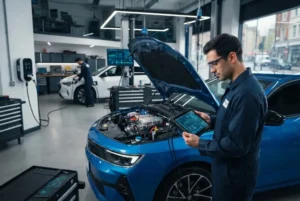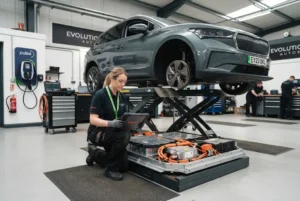
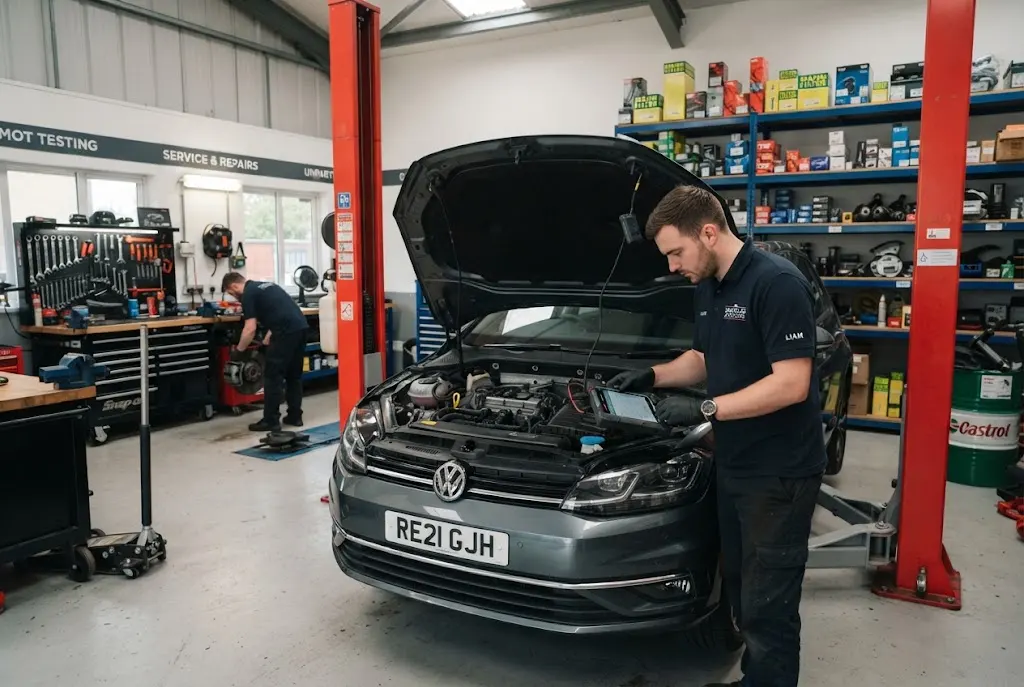
Recent RAC data illustrates the scale of the issue. Its latest guide puts the average quoted price for a full car service at £298.60, although the figure varies considerably by vehicle make, location, age and the work required. The RAC also reports that an average repair bill reached £650 in its 2025 research, showing why routine maintenance can become an important part of managing overall ownership costs.
Why Is Car Service Cost Rising in the UK?
The price of servicing a vehicle reflects several separate costs that garages have to absorb. Parts, technician wages, diagnostic equipment, premises, energy, insurance, waste disposal and business administration all contribute to the final customer bill.
When several of these expenses rise simultaneously, garages have limited room to absorb the difference. A business may therefore increase its servicing prices simply to maintain its operating margins and continue providing the required level of service.
That does not mean every garage will charge the same amount. Independent workshops, franchised dealers and mobile mechanics operate with different cost structures, while vehicle size, manufacturer, engine type and service requirements can make a significant difference to the final price.
Inflation and the Cost of Running a Garage
Inflation affects vehicle maintenance indirectly as well as directly. When the prices of goods and services rise across the wider economy, garages experience higher operating expenses. Energy, rent, insurance, equipment, software subscriptions and business services can all influence workshop overheads.
UK inflation remained significant during 2026. The Office for National Statistics reported annual CPI inflation of 3.1% in August 2026, while CPIH rose by 3.3%. Transport was among the areas contributing to the monthly movement in consumer prices.
For motorists, this matters because a garage does not operate independently from the wider economy. If the cost of keeping a workshop open increases, some of that pressure can eventually appear in servicing prices.
Labour Shortages Are Adding Pressure
One of the less visible factors behind rising car service cost is the availability of skilled automotive technicians.
Modern vehicles require considerably more than traditional mechanical knowledge. Technicians increasingly need to understand electronic control systems, advanced diagnostics, driver-assistance technology, hybrid systems and increasingly sophisticated vehicle software.
The Institute of the Motor Industry reported in March 2026 that around 16,000 automotive roles remained unfilled, with shortages particularly acute in specialist technical positions. Vehicle technicians represented around 24% of job postings in its analysis, while shortages in repair and paint roles were also limiting workshop capacity.
When qualified technicians are difficult to recruit and retain, employers may need to offer higher salaries or invest more heavily in training. Those costs can eventually influence the prices customers pay for servicing and repairs.
Spare Parts Are a Major Part of Servicing Prices
Labour is only one component of a vehicle maintenance bill. Spare parts can represent a substantial share of the total, particularly when a routine service identifies worn components that need replacing.
Filters, brake components, belts, batteries, fluids and other consumable parts vary significantly in price. The specification of the vehicle can also determine whether a garage needs a standard component or a manufacturer-specific part.
Supply-chain disruption can add another layer of complexity. The UK automotive supply chain continues to face pressure from geopolitical uncertainty, market volatility, rising operational costs and skills shortages. These conditions can make procurement more difficult and create additional uncertainty for businesses.
Drivers should therefore distinguish between the price of the service itself and the cost of additional repairs discovered during the appointment. A basic service may be relatively predictable, while replacing worn brakes, suspension components or other parts can increase the final invoice considerably.
Why Modern Cars Can Be More Expensive to Maintain
Vehicle technology has changed the nature of automotive servicing. Newer cars often contain more electronic systems, sensors, cameras, control modules and connected features than older models.
That technology can improve safety, efficiency and convenience, but it can also require specialist equipment and training when something goes wrong. A technician may need to perform electronic diagnostics before deciding whether a mechanical component actually needs replacement.
This is one reason the future of vehicle maintenance is becoming increasingly digital. Topics such as the future of MOT technology will become more important as garages adopt digital records, connected diagnostics and more advanced testing methods.
In other words, higher servicing prices are not necessarily the result of simply charging more for the same work. The work itself can become more technically demanding.
Repair Costs Can Make Routine Servicing More Important
One of the biggest mistakes motorists can make when trying to control ownership costs is delaying routine maintenance indefinitely.
Skipping a scheduled service may appear to save money in the short term. However, small problems can develop into more expensive failures when they are not identified early. A worn component, deteriorating fluid, damaged belt or developing electrical fault may become significantly more costly if ignored.
RAC research published in 2025 found that 65% of drivers had faced unexpected car repair costs during the previous year. The research also found that the average repair bill had reached £650, while many motorists said they would struggle to cover an unexpected bill.
This highlights an important distinction between servicing prices and total ownership costs. Paying for preventative maintenance does not eliminate repair bills, but regular checks can help identify problems before they become more serious.
What Is Driving Consumer Spending Decisions?
Higher household expenses can change how drivers approach vehicle maintenance. Some motorists may compare several garages before booking, choose an independent workshop instead of a main dealer, or ask for a detailed estimate before authorising additional repairs.
Cost pressure can also encourage some drivers to postpone work. However, delaying safety-critical maintenance can create greater financial and road-safety risks later.
The challenge for consumers is therefore to distinguish between reducing unnecessary expenditure and simply avoiding necessary maintenance. Comparing quotes, asking what work is included and understanding which repairs are urgent can help drivers make more informed decisions without compromising vehicle condition.
How to Manage Rising Servicing Prices
Motorists cannot control wider inflation or the cost of automotive labour, but they can take practical steps to manage their own servicing budget.
Compare Like-for-Like Quotes
When comparing garages, drivers should check exactly what each quote includes. A cheaper headline price may cover fewer checks, different parts or a different service level.
Ask for a Written Estimate
A written estimate makes it easier to understand the expected labour and parts costs before additional work begins. If a technician discovers another problem, ask for an explanation and an updated price before authorising non-urgent repairs.
Keep a Complete Service History
Maintaining clear records helps future technicians understand what has already been done. It can also provide useful evidence when selling the vehicle and may help prevent unnecessary duplication of work.
Do Not Ignore Warning Signs
Unusual noises, warning lights, fluid leaks, changes in braking behaviour or handling should not automatically be dismissed as something that can wait. Early diagnosis can sometimes prevent a relatively small problem from developing into a major repair.
Will Technology Eventually Reduce Car Service Cost?
Technology could change how servicing is delivered, although it will not necessarily make every repair cheaper.
Connected vehicles can generate more information about vehicle condition, while diagnostic systems can help technicians identify faults more efficiently. Digital inspection platforms may also make reports easier for customers to understand.
Artificial intelligence could become another part of this process. AI-powered vehicle inspections may help technicians analyse vehicle data, identify patterns and support predictive maintenance. The technology is particularly relevant to the development of AI-powered vehicle inspections, where digital diagnostics and automation could become more integrated into workshop processes.
However, technology requires investment. Garages need suitable diagnostic equipment, software, training and qualified staff. Therefore, the immediate effect of new technology may sometimes be an additional business expense before efficiency gains become apparent.
Hybrid and Electric Vehicles Will Change Servicing Economics
The changing vehicle market is also reshaping the economics of maintenance.
Hybrid and electric vehicles have different maintenance requirements from conventional petrol and diesel cars. Some traditional maintenance tasks may become less relevant, while battery systems, high-voltage components, software and specialised diagnostics become more important.
This creates demand for technicians with new skills and could influence servicing prices as workshops invest in specialist equipment and training. The development of hybrid services and EV servicing will therefore be an important part of the wider UK automotive aftermarket.
A Changing Automotive Services Market
The rise in servicing prices should be viewed within a wider transformation of the automotive market. Garages are dealing with higher operating expenses at the same time as vehicles are becoming more technically advanced.
That combination creates a difficult balancing act. Consumers want affordable maintenance, while workshops need sufficient revenue to employ skilled technicians, invest in equipment and maintain professional standards.
The market is also becoming increasingly connected. Digital booking systems, mobile mechanics, remote diagnostics, electronic service records and predictive maintenance tools are changing how customers interact with automotive businesses.
These developments are part of the broader automotive innovation reshaping the relationship between drivers, vehicles and service providers.
What UK Drivers Should Expect Next
There is unlikely to be a single point at which servicing prices suddenly return to previous levels. The cost of maintaining a vehicle depends on many variables, including inflation, technician availability, parts prices, vehicle complexity, workshop overheads and the type of vehicle being serviced.
At the same time, the automotive industry is moving towards greater digitalisation and electrification. Future workshops may rely more heavily on connected diagnostics, digital records and advanced inspection technology alongside traditional mechanical expertise.
For motorists, the practical lesson is to look beyond the headline car service cost. A useful comparison should consider what is included, the qualifications and capabilities of the workshop, the quality of parts being used and whether the service can identify problems early.
Rising servicing prices are undoubtedly putting pressure on household budgets. Yet regular maintenance remains an important part of controlling long-term ownership costs. By comparing transparent quotes, keeping accurate service records and responding to problems early, drivers can make better-informed decisions while the UK’s automotive service market continues to evolve.