Understanding car service cost has become increasingly important for UK motorists. Routine servicing is one of the unavoidable expenses of owning a vehicle, yet the final price can vary significantly depending on the car, the work required, replacement parts, labour and the type of garage carrying out the service. As household budgets remain under pressure, drivers are paying closer attention to servicing prices and looking for clearer explanations of where their money goes.
A higher quote does not automatically mean a garage is overcharging, just as a very low price does not necessarily represent better value. The key is understanding what is included in the service and which factors are influencing the overall cost. This makes it easier to compare quotes, plan maintenance and avoid unexpected expenses.
What Determines Car Service Cost?
There is no single price for servicing because vehicles and service requirements differ. A basic service on a relatively simple vehicle can involve fewer checks and replacement items than a more comprehensive service on a newer or more technically sophisticated model.
The vehicle’s age, mileage, engine type, manufacturer requirements and service history can all influence the work involved. A car that has been maintained consistently may require a different level of attention from one that has missed previous maintenance.
The type of service also matters. Some services focus on essential checks and routine replacement items, while larger scheduled services can involve additional inspections and maintenance tasks. Drivers should therefore compare the contents of a service rather than looking at the headline price alone.
How Servicing Prices Are Made Up
When examining servicing prices, it helps to separate the main components of the bill. The cost may include labour, parts, consumables, diagnostic work and any additional repairs identified during the inspection.
Labour charges can vary between independent garages, specialist workshops and manufacturer-affiliated service centres. Location can also influence operating costs, which may be reflected in hourly labour rates.
Parts are another significant factor. A vehicle may require filters, fluids, spark plugs or other maintenance items depending on its service schedule. If a worn component is discovered during the inspection, replacing it can turn a routine service into a larger repair bill.
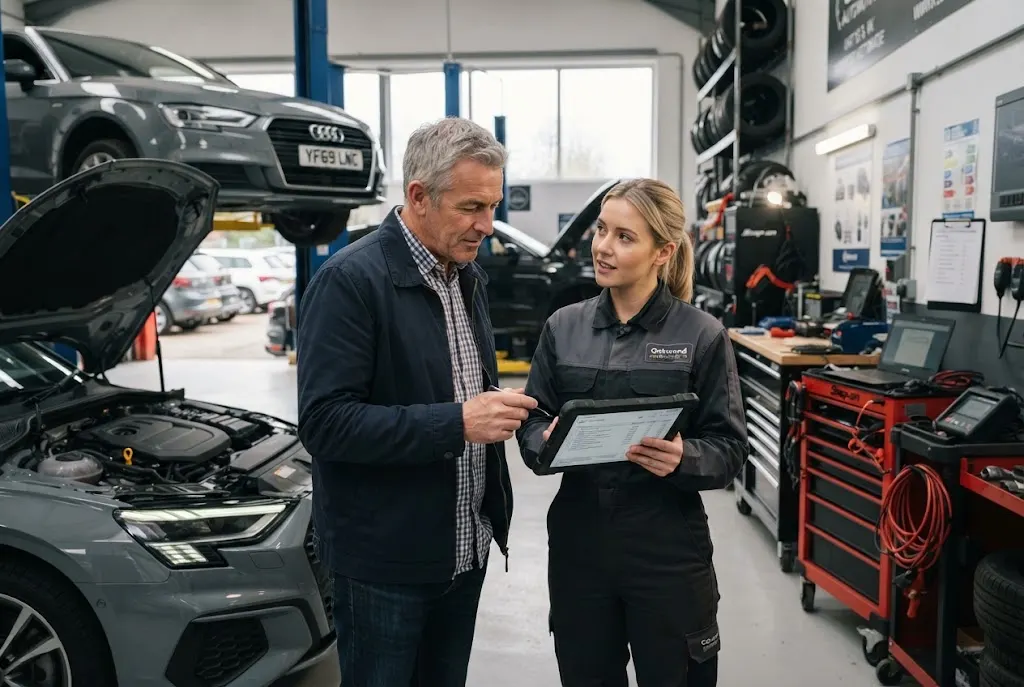
This is why asking for a breakdown of the quote can be useful. A transparent estimate should make it easier to understand what work is routine and what additional work has been recommended.
Why Repair Costs Can Be Different From Service Costs
Routine servicing and repairs are related but not identical expenses. A service is generally planned maintenance designed to check and maintain the vehicle, whereas a repair addresses a specific fault, damaged component or mechanical problem.
For example, an inspection may reveal that a component is approaching the end of its useful life. The inspection itself may be part of the service, but replacing the component can create an additional repair cost.
Drivers should therefore avoid assuming that a quoted service price represents the maximum they will ever spend during an appointment. It is sensible to ask whether the price covers only scheduled servicing and how the garage will communicate any additional repair requirements.
How Inflation Can Affect Vehicle Maintenance
Inflation can influence several parts of the automotive maintenance market. Garages have their own operating expenses, while the cost of parts, equipment, energy, premises and other business inputs can change over time.
These pressures can eventually affect the prices paid by consumers. However, price increases do not necessarily affect every service or vehicle equally. The specific parts required, labour involved and supplier costs all play a role.
For motorists, the practical response is not simply to search for the cheapest possible service. Comparing like-for-like quotes and understanding what each garage includes can provide a much more useful picture of value.
Labour Shortages and the Cost of Skilled Work
Labour shortages can also influence automotive servicing costs. Modern vehicles require technicians who can work with mechanical systems as well as increasingly sophisticated electronic and diagnostic technology.
As vehicles become more technologically advanced, garages may need technicians with specialist training and appropriate diagnostic equipment. The cost of maintaining those skills and facilities can form part of a workshop’s operating expenses.
This is particularly relevant as connected vehicles and newer powertrain technologies become more common. Modern servicing increasingly involves a combination of physical inspection and electronic diagnosis rather than purely mechanical work.
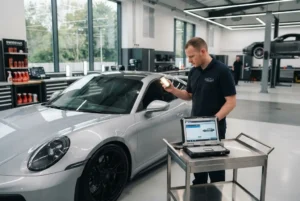
That development connects with the growing role of auto inspection services, where digital inspection tools and diagnostic information can help technicians understand vehicle condition more efficiently.
Why Vehicle Type Matters
Different vehicles can have very different maintenance requirements. A small petrol car, a premium vehicle, a diesel model and an electric vehicle may all require different servicing approaches.
Vehicle age matters as well. Older cars can require more frequent attention to wear-related components, while newer vehicles may involve more sophisticated electronic systems and manufacturer-specific procedures.
Electric vehicles also demonstrate why traditional assumptions about servicing costs can be misleading. They have fewer conventional engine components than petrol or diesel vehicles, but technicians still need appropriate knowledge and equipment to work safely with high-voltage systems and the vehicle’s other components.
As automotive technology develops, the cost of ownership therefore needs to be considered across the entire maintenance cycle rather than judged from one service invoice.
How Consumers Can Compare Servicing Prices
When comparing car service cost, drivers should first establish that they are comparing equivalent services. One garage may advertise a low headline price because it includes only basic maintenance, while another quote may cover a more comprehensive inspection and additional replacement items.
Useful questions include:
- What exactly is included in the service?
- Which parts and fluids are included?
- Is diagnostic testing included?
- Are additional repairs quoted separately?
- Will the garage seek approval before carrying out extra work?
- Is the quoted price fixed or subject to additional charges?
Getting these details in advance can make price comparisons considerably more meaningful.
Does a More Expensive Garage Offer Better Value?
Price and value are not always the same thing. A garage with higher labour rates may offer specialist expertise, advanced diagnostic equipment, convenient facilities or a particularly strong service experience.
On the other hand, a lower-priced provider may offer excellent value for straightforward maintenance. The right choice depends on the vehicle, the work required and the driver’s priorities.
Reviews, qualifications, transparency and the quality of communication can therefore be just as important as the initial price. A cheap service that fails to identify an important issue may ultimately prove more expensive than a properly conducted inspection and maintenance visit.
How Digital Services Can Make Pricing More Transparent
The automotive industry is increasingly adopting digital tools that can improve communication between garages and customers. Digital inspection reports, photographs, online booking and electronic service records can make it easier to understand what has been checked and what work is being recommended.
These developments can also support a better customer experience. Instead of receiving a long list of technical terms during a phone call, a driver may be able to review inspection findings digitally and discuss individual recommendations before authorising additional work.
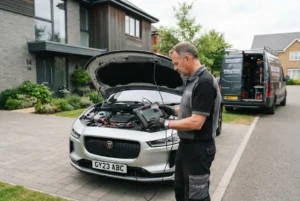
The growth of mobile auto service is another example of how automotive businesses are adapting to changing expectations around convenience and service delivery.
Planning for the Wider Cost of Car Ownership
Servicing is only one part of total ownership costs. Drivers also need to consider fuel or charging, insurance, tyres, MOT-related expenses, repairs, depreciation and other running costs.
Thinking about these expenses together can make vehicle ownership easier to budget for. A car with a low purchase price may not necessarily have the lowest long-term running costs, while a well-maintained vehicle can provide more predictable maintenance requirements.
Regular inspections and appropriate maintenance can also help drivers identify issues before they develop into more serious problems. The aim is not to eliminate repair costs, which is unrealistic, but to make maintenance more predictable wherever possible.
What Market Trends Mean for Drivers
Changing market trends are likely to continue influencing automotive service pricing. Vehicle technology is becoming more sophisticated, consumers are demanding greater convenience and garages are adapting their services accordingly.
Digital diagnostics, connected vehicle systems and new approaches to maintenance are changing the skills and equipment required by automotive businesses. At the same time, consumers are increasingly comfortable researching prices and comparing providers online before making a booking.
These changes may ultimately encourage greater transparency across the industry. Customers can increasingly expect clearer estimates, digital communication and more detailed explanations of recommended work.
How to Keep Servicing Costs Under Control
Drivers cannot control every factor that influences car service cost, but they can take practical steps to manage their maintenance budget.
Following the appropriate maintenance schedule, addressing warning signs promptly and keeping service records organised can help prevent avoidable surprises. It is also worth comparing reputable garages and asking for estimates before approving non-urgent additional work.
Most importantly, motorists should avoid delaying necessary safety-related maintenance simply because the initial price is inconvenient. Deferring an important repair can potentially create a larger problem later.
The Future of Car Service Cost
The cost of vehicle servicing will continue to reflect changes in technology, labour, parts and consumer expectations. As connected vehicles and smarter maintenance systems become more common, data may play a larger role in identifying when servicing is required and what attention a vehicle needs.
This forms part of the wider shift towards auto care services that combine traditional expertise with digital tools and more convenient customer experiences.
At the same time, the development of future mobility will continue to influence the automotive service market. Electric vehicles, connected systems and evolving ownership models may change both the work garages perform and the costs associated with maintaining different types of vehicles.
Making Sense of Your Next Service Quote
There is no universal answer to what a fair car service cost should be. The sensible approach is to look beyond the advertised price and understand exactly what the garage is providing.
By comparing like-for-like services, asking for transparent estimates and considering technician expertise alongside price, drivers can make more informed decisions. Regular maintenance should be viewed as part of responsible vehicle ownership rather than simply another unexpected bill.
As automotive servicing becomes more digital and technologically advanced, transparency will become increasingly important. Drivers who understand the factors behind servicing prices will be in a stronger position to maintain their vehicles properly, manage ownership expenses and choose services that provide genuine long-term value.
For official information about MOT testing requirements in Great Britain, motorists can consult the UK Government’s MOT guidance.