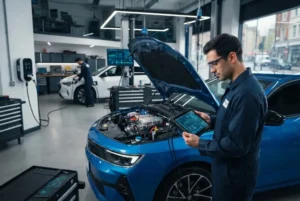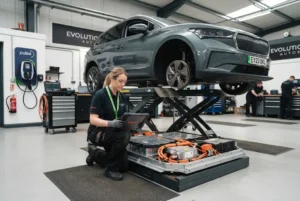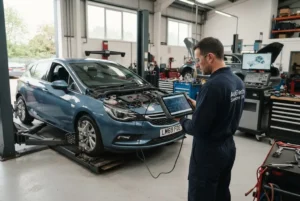
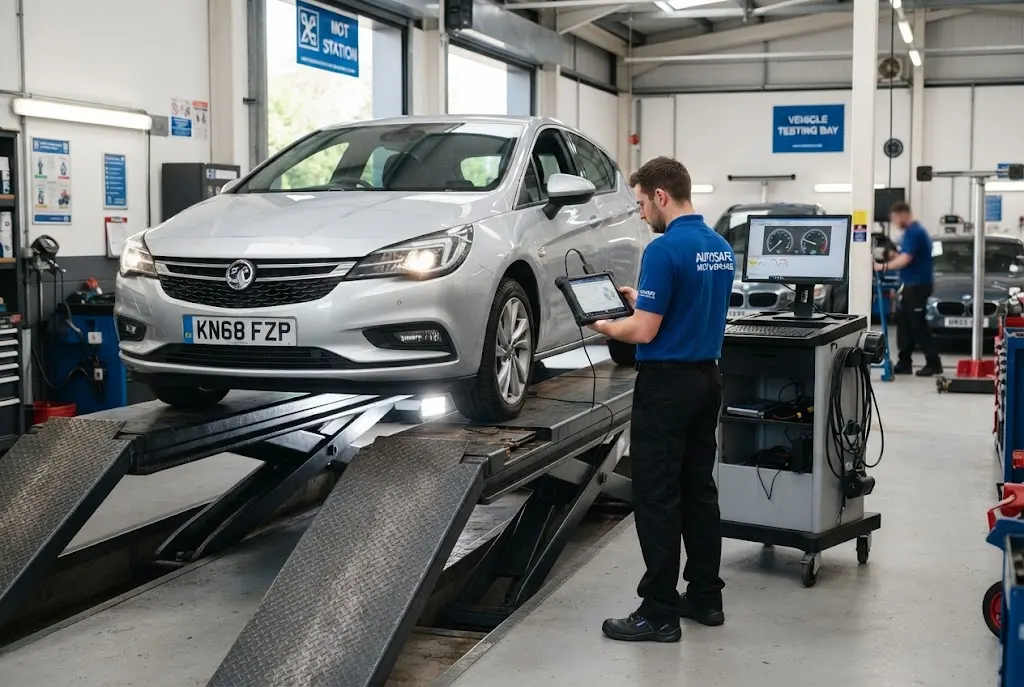
The future is unlikely to mean replacing qualified testers with technology. Instead, digital tools can give technicians more information, help identify faults and make vehicle records easier to manage. As cars become increasingly software-driven and connected, the systems used to inspect and maintain them are evolving too.
Why MOT and Service Technology Is Changing
Modern vehicles are considerably more complex than many of the cars that entered UK roads when the MOT system was introduced. Electronic control units, cameras, sensors, driver-assistance systems, connected features and increasingly sophisticated powertrains all generate information about vehicle operation.
That creates an opportunity for vehicle testing and servicing to become more data-driven. Instead of relying exclusively on what can be observed during a workshop visit, technicians can increasingly combine physical inspection with electronic diagnostics and information collected by the vehicle itself.
This does not change the legal purpose of an MOT. The test remains a regulated assessment of whether a vehicle meets the required safety and environmental standards at the time of testing. However, technology can influence how efficiently supporting checks and maintenance activities are carried out.
From Paperwork to Digital MOT Records
One of the most visible changes in vehicle maintenance is the move away from paper-based records towards digital information.
Digital MOT information already makes it possible for motorists to check a vehicle’s MOT history online. The UK government’s official MOT history service allows users to view information such as MOT test results, recorded mileage and dates associated with previous tests.
For workshops, digital records can also make maintenance histories easier to organise. A well-maintained electronic service record can help technicians understand previous work, identify recurring issues and avoid unnecessary duplication.
Over time, more connected records could make the distinction between a vehicle’s testing history and its wider maintenance history easier for owners to understand. That could be particularly useful when a vehicle changes ownership.
Could AI Inspections Change Vehicle Testing?
Artificial intelligence is becoming an important area of automotive technology, and inspection is one field where its potential is significant.
AI systems can analyse large amounts of information and identify patterns that may be difficult to spot manually. In an automotive environment, this could include interpreting diagnostic data, analysing images or supporting technicians as they investigate vehicle faults.
However, AI should be viewed as a supporting technology rather than an automatic replacement for regulated testing procedures. A vehicle’s roadworthiness involves physical components, safety systems and conditions that still require appropriate inspection and professional judgement.
The development of AI-powered vehicle inspections is therefore likely to focus on assisting technicians, improving information flow and making diagnostic processes more efficient.
Connected Diagnostics and Smarter Servicing
Connected diagnostics could become one of the most important bridges between everyday driving and workshop maintenance.
Modern vehicles already contain extensive diagnostic capabilities. When a system detects an abnormal condition, it can store fault information that technicians can access using appropriate diagnostic equipment.
As connected vehicle technology develops, the amount of information available to manufacturers, service providers and vehicle owners could increase. This could support earlier identification of potential issues and help workshops prepare for appointments before a vehicle arrives.
For example, a technician who understands a vehicle’s reported fault codes and relevant symptoms before an appointment may be able to prepare the necessary diagnostic equipment or replacement components. That could reduce unnecessary workshop time.
Connected diagnostics may therefore contribute to a wider shift towards smart testing, where physical inspections and vehicle data work together rather than existing as separate processes.
What Smart Testing Could Look Like
Smart testing does not necessarily mean that every MOT becomes automated. Instead, it can mean using technology more intelligently throughout the testing and servicing journey.
A future workshop could combine several information sources:
- Physical inspection results
- Electronic diagnostic information
- Digital vehicle service records
- Sensor and system data
- Previous repair information
- Relevant manufacturer service information
Bringing these sources together could give technicians a more complete picture of vehicle condition. It could also help separate routine maintenance from faults that require immediate attention.
The benefit for drivers could be clearer explanations and more transparent maintenance decisions. Instead of simply receiving a list of recommended work, motorists may increasingly receive structured digital reports explaining what was inspected, what was found and what action is recommended.
Compliance Technology and the MOT
Technology also has an important role in regulatory compliance.
The UK’s MOT system operates under defined testing standards, and authorised testing stations must follow the relevant procedures. The Driver and Vehicle Standards Agency provides guidance and standards for MOT testing, helping ensure that vehicles are assessed against consistent requirements.
Digital systems can support this environment by improving record management, reducing administrative errors and helping testing businesses maintain accurate information.
As vehicle technology develops, compliance requirements may also need to evolve. Electric powertrains, advanced driver-assistance systems and increasingly software-dependent vehicles create new technical considerations for the wider automotive sector.
This makes compliance technology increasingly relevant to both testing organisations and vehicle service businesses.
Road Safety Remains the Central Objective
Technology should ultimately serve the fundamental purpose of vehicle testing: helping ensure that vehicles using UK roads meet the applicable safety requirements.
Digital tools can provide additional information, but they do not remove the importance of qualified people and appropriate physical inspection. Tyres, brakes, steering, suspension, body condition and other components still need to be assessed according to the relevant testing requirements.
The role of technology is therefore best understood as an enhancement to the inspection process. Better information can help technicians make informed decisions, while digital records can make maintenance histories easier for motorists to access and understand.
Vehicle Monitoring Between MOT Tests
One potential change is the growth of vehicle monitoring between formal tests.
An MOT provides a snapshot of a vehicle’s condition at a particular point in time. A vehicle can subsequently develop a fault, suffer component wear or experience a warning condition before its next scheduled test.
Connected vehicle systems could provide more continuous visibility of certain vehicle conditions. Depending on the vehicle and technology involved, this may allow owners to receive alerts or diagnostic information before a problem becomes more serious.
That approach supports the wider principle of preventative maintenance. Rather than waiting for an annual test or obvious mechanical symptom, motorists could potentially use available vehicle data to identify issues earlier.
Digital Records Could Improve Vehicle Ownership
Digital records are also relevant to the wider ownership experience.
A complete record of servicing, repairs, MOT results and other maintenance activity can make it easier for owners to understand how a vehicle has been maintained. It can also provide useful information when a vehicle is sold.
For workshops, digital records can improve continuity. A technician can review previous work before starting a new appointment, reducing the reliance on incomplete paper documents or a customer’s memory.
This development connects closely with the broader changes taking place in automotive maintenance. Digital records are one part of a wider transition towards automotive innovation, where software and data increasingly sit alongside traditional mechanical expertise.
How Technology Could Affect Service Costs
New technology does not automatically mean cheaper vehicle maintenance.
Garages may need to invest in diagnostic equipment, software subscriptions, staff training and specialist tools. Technicians also need to develop new skills as vehicle systems become more complex.
These investments can add to workshop operating costs in the short term. However, technology may also improve efficiency by helping technicians diagnose problems more accurately and reduce time spent searching for faults.
This is particularly relevant as UK motorists continue to manage rising car service costs. The economics of modern vehicle maintenance will depend not only on parts and labour but also on the tools and expertise required to service increasingly sophisticated vehicles.
Electric and Hybrid Vehicles Add New Requirements
The shift towards electrification is another reason vehicle testing and servicing technology needs to evolve.
Hybrid and electric vehicles introduce high-voltage systems, battery management technology and different drivetrain characteristics. Technicians working on these vehicles may require specialist training and equipment.
As the UK’s vehicle fleet changes, workshops will need to adapt their capabilities accordingly. The development of hybrid services and EV servicing will therefore become increasingly connected to digital diagnostics, battery technology and specialist maintenance.
What the Future MOT Could Look Like
The future MOT is likely to combine established physical testing with increasingly sophisticated digital tools.
Possible developments could include more integrated digital records, improved diagnostic support, automated measurement technologies and better communication between vehicle owners and service providers. Some systems may also use machine learning or other analytical technologies to help identify unusual patterns.
However, the pace and precise form of these developments will depend on regulation, technical standards, data protection requirements, industry investment and the evidence supporting new testing methods.
That means the future should not be imagined as a completely automated garage where technology replaces technicians. A more realistic direction is a connected testing environment in which technology provides better information while qualified professionals remain responsible for appropriate inspection and maintenance decisions.
What UK Drivers Can Do Now
Motorists do not need to wait for future technology to benefit from better vehicle maintenance practices.
Drivers can check their MOT history through the official government service, maintain a clear record of servicing and repairs, pay attention to dashboard warnings and use reputable garages with appropriate diagnostic capabilities.
It is also useful to understand the difference between an MOT and a service. An MOT assesses whether a vehicle meets the relevant legal standards at the time of the test, while servicing is concerned with maintenance and the condition of the vehicle’s components.
Keeping both processes up to date can help motorists manage maintenance more effectively.
A More Connected Future for Vehicle Testing
The future of the MOT and service sector will be shaped by several technologies developing at the same time. Digital records can improve information management. Connected diagnostics can provide additional vehicle data. AI can support analysis and inspection processes. Smart testing systems can help technicians work more efficiently, while vehicle monitoring may provide greater visibility between formal inspections.
Yet technology will remain only one part of the equation. Skilled technicians, appropriate testing standards and responsible maintenance decisions will continue to matter.
For UK motorists, the biggest change may be the way vehicle information is presented and used. Instead of treating an MOT, service appointment and repair as isolated events, the automotive industry is moving towards a more connected maintenance ecosystem.
That shift could make vehicle maintenance more transparent and data-driven while helping workshops respond to increasingly sophisticated vehicles. As the technology develops, the balance between human expertise, digital diagnostics and regulatory compliance will determine what the next generation of UK vehicle testing ultimately looks like.