Modern auto care services are changing as drivers look for more convenient, informed and sustainable ways to maintain their vehicles. Car ownership is no longer limited to visiting a garage when something goes wrong. Digital tools, connected vehicles, smarter maintenance systems and changing consumer habits are creating a more proactive approach to vehicle care.
For drivers, the biggest change is the growing emphasis on prevention and convenience. Instead of waiting for a noticeable fault, vehicle owners can use service records, diagnostic information and maintenance reminders to understand what their car may need. At the same time, new service options are making routine care easier to organise around busy lifestyles.
What Are Modern Auto Care Services?
Auto care services cover the routine maintenance, inspection, cleaning and upkeep that help a vehicle remain safe, reliable and presentable. Depending on the provider, this can include servicing, diagnostics, inspections, fluid checks, tyre-related services, detailing and other forms of vehicle maintenance.
The modern version of vehicle care is becoming more integrated. Rather than treating each service as a separate event, drivers increasingly have access to digital records and maintenance information that can help them understand the overall condition of their vehicle.
This approach is particularly useful because different vehicles have different maintenance requirements. A sensible care plan should take account of the vehicle’s age, mileage, usage, manufacturer recommendations and actual condition rather than relying on a one-size-fits-all routine.
Why Smart Maintenance Matters
Smart maintenance focuses on making vehicle care more proactive and information-led. Regular maintenance has always been important, but modern technology can provide additional information that helps drivers and technicians identify potential issues earlier.
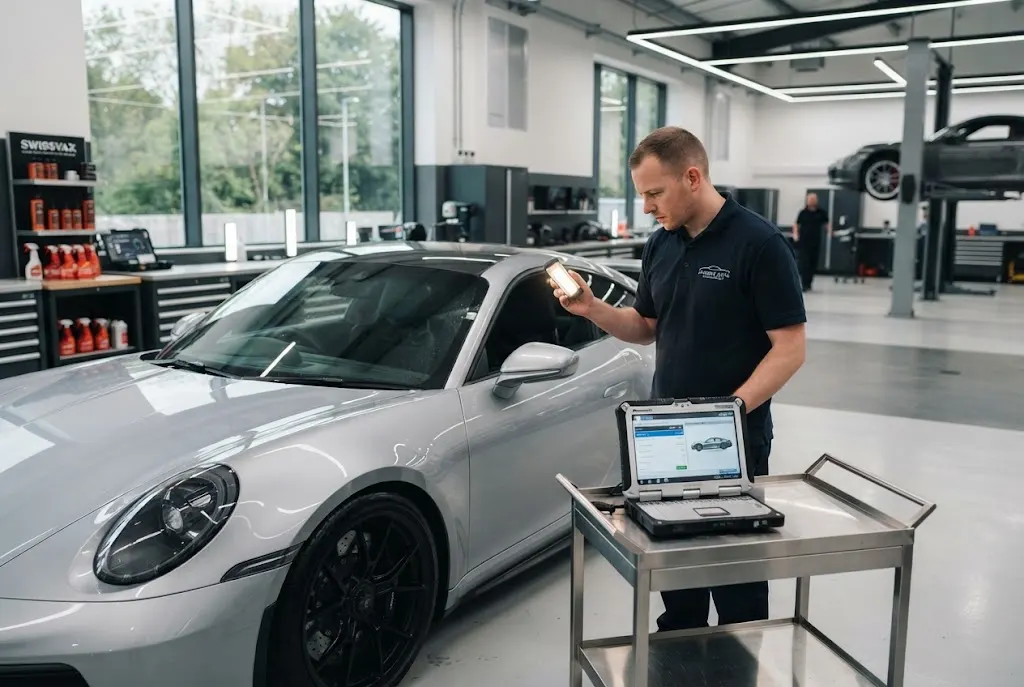
For example, diagnostic systems can help identify faults that may not yet be obvious during everyday driving. When diagnostic information is combined with a professional physical inspection, it can provide useful context about the vehicle’s condition.
This is closely connected with the development of auto inspection services, where digital inspection tools can make vehicle findings easier to document and communicate.
The goal is not to encourage unnecessary maintenance. Instead, smart maintenance should help vehicle owners understand what needs attention, what can be monitored and what should be prioritised.
Digital Ownership Is Changing Vehicle Care
The concept of digital ownership is becoming increasingly relevant to motorists. Vehicle owners can now interact with their cars and service providers through websites, apps, digital records and online booking systems.
Digital service records can make it easier to keep track of previous work, while reminders can reduce the chance of forgetting routine maintenance. Online booking can also make it simpler to arrange an appointment without spending time making multiple phone calls.
These tools become even more useful when information is presented clearly. A digital platform should help the driver understand what has been completed, what may be required next and whether a recommendation needs immediate attention.
Connected Vehicles Are Creating New Opportunities
Connected vehicles are another major part of the changing automotive landscape. Modern cars can generate information about different systems and operating conditions, depending on their technology and configuration.
Access to this information can support more informed vehicle care. Technicians may be able to use available diagnostic data alongside physical inspections and service history to investigate potential problems.
However, connected technology should complement professional expertise rather than replace it. A digital warning is not automatically a confirmed mechanical diagnosis. Proper testing and professional judgement remain important when deciding whether a repair or maintenance action is necessary.
For drivers, the advantage is greater visibility. More information can make it easier to move from reactive repairs towards a better-informed approach to maintaining a vehicle.
Premium Detailing Is Part of Modern Vehicle Care
Vehicle care is not only about mechanical reliability. Appearance and interior condition also matter to many owners, particularly those who take pride in their vehicles or want to preserve their car’s presentation over time.
Premium detailing has therefore become an important part of the wider vehicle-care market. Professional detailing can involve thorough cleaning and care of interior and exterior surfaces, with the exact services varying between providers.
Regular cleaning can also be practical rather than purely cosmetic. Dirt, road grime and environmental contaminants can affect the appearance of vehicle surfaces over time. Appropriate cleaning and maintenance can help owners keep their cars in better condition.
However, quality matters. Products and techniques should be suitable for the particular materials and finishes being treated. Aggressive or inappropriate products can potentially cause damage rather than improving the vehicle.
Eco-Friendly Products and Changing Consumer Habits
Sustainability is increasingly influencing consumer choices across many industries, and automotive care is no exception. Some drivers are becoming more interested in eco-friendly products, responsible water use and service providers that consider the environmental impact of their operations.
This does not mean every environmentally marketed product is automatically better. Consumers should still consider whether a product is appropriate for the vehicle and whether sustainability claims are supported by clear information.
More broadly, changing consumer habits are encouraging automotive businesses to think about convenience, transparency and environmental responsibility alongside the actual mechanical service.
This represents a broader evolution in expectations. Customers increasingly want services that are easy to book, easy to understand and compatible with their values.
Mobile Services Are Making Vehicle Care More Convenient
Convenience is another important part of modern vehicle ownership. A growing number of drivers are interested in services that can be arranged around their schedules rather than requiring a separate trip to a workshop.
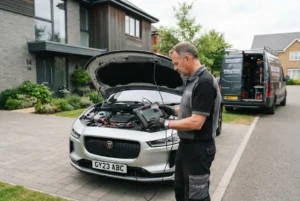
That is where mobile auto service fits into the wider vehicle-care picture. For suitable maintenance and repair work, a mobile mechanic may be able to visit a customer’s home, workplace or another agreed location.
Mobile servicing does not replace traditional workshops. More complex jobs may require specialist equipment or facilities that are only available in a garage. Instead, mobile services provide another option for work that can safely and professionally be completed on location.
How Technology Can Improve the Customer Experience
The development of automotive technology is also changing what customers expect from service providers. A professional experience increasingly involves more than simply completing the mechanical work.
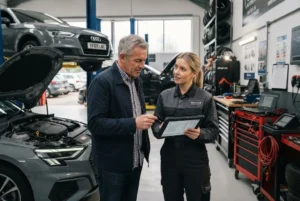
Drivers may expect convenient digital booking, clear appointment information, inspection photographs, electronic service records and straightforward explanations of recommended work.
These improvements can reduce uncertainty. When a customer can see what has been inspected and understand why a particular recommendation has been made, it becomes easier to make an informed decision.
Good communication is particularly important when a vehicle needs multiple repairs. Drivers should be able to distinguish between safety-critical concerns, maintenance recommendations and issues that can reasonably be monitored.
Auto Care Services and the Cost of Ownership
Vehicle maintenance is an ongoing ownership expense, so cost naturally influences how drivers approach servicing. However, focusing only on the immediate price of a service can overlook the wider cost of maintaining a vehicle.
Regular maintenance may help identify problems before they become more complicated, while ignoring known issues can potentially lead to greater repair requirements. This is one reason understanding car service cost and the factors behind servicing prices is useful for consumers.
A transparent service provider should explain what is included, identify additional work clearly and avoid presenting unnecessary recommendations as mandatory repairs.
How Auto Care Is Evolving With Future Mobility
The future of vehicle care will also be influenced by broader changes in transportation. Electric vehicles, connected systems, advanced driver technologies and new ownership models are gradually changing the requirements placed on automotive businesses.
These developments form part of the wider future mobility landscape. As vehicles become more software-driven and connected, automotive professionals will increasingly need to combine traditional mechanical knowledge with new technical skills.
Maintenance requirements may also change between different types of vehicles. Electric vehicles, for example, have different mechanical and electrical characteristics from conventional petrol and diesel cars. Service providers therefore need appropriate training, equipment and procedures for the vehicles they support.
Building a Better Vehicle Care Routine
A smarter approach to vehicle care does not need to be complicated. Drivers can start by keeping service records organised, following appropriate manufacturer maintenance guidance and responding to warning signs rather than ignoring them.
It is also useful to separate routine care from unexpected repairs. Regular checks, cleaning and scheduled maintenance can form the foundation of vehicle ownership, while professional diagnostics and inspections can be used when a specific concern arises.
Digital tools can support this process, but they should make ownership simpler rather than create unnecessary complexity. The most useful technology is the technology that helps a driver understand their vehicle and take the right action at the right time.
The Future of Smarter Vehicle Care
The evolution of auto care services reflects a wider change in how people think about vehicle ownership. Drivers have more information, more service options and more digital tools than ever before.
The strongest automotive services will likely combine these developments with the fundamentals that have always mattered: qualified professionals, appropriate equipment, honest recommendations and attention to vehicle safety.
For consumers, this means smarter vehicle care is not simply about adopting the newest technology. It is about using technology, professional expertise and convenient services together to create a more informed ownership experience.
As connected vehicles, digital ownership tools, mobile servicing and sustainable products continue to develop, vehicle care will become increasingly integrated into the way drivers manage their everyday lives. The result can be a more proactive, transparent and convenient approach to keeping vehicles reliable, safe and well maintained.
For official guidance on vehicle testing and MOT requirements in Great Britain, drivers can consult the UK Government’s MOT guidance.